
It's December, and the air quality index is dancing somewhere between "very poor" and "why is my throat itchy again?" Your kids' school is doing this hybrid thing where younger kids are home more often, outdoor sports are canceled until further notice, and your kids have way too much energy with nowhere to burn it.
You open social media, and there's some perfectly curated post about a mom who did a full science experiment with her kids using household items, then taught them origami, and wrapped up the day with a classical music session. Meanwhile, you're just trying to figure out how to keep everyone sane for 12 hours without the TV becoming a permanent babysitter.
So, here is your December survival plan. Pick and choose based on your kids' ages, your energy levels, and what you have at home. Remember, this isn't homework. This is keeping everyone happy and sane.
Day 1: Traditional Games Day
- Morning: Introduce them to Pachisi (the grandparent of Ludo) or Chaupar. You can make a simple board with paper and markers. Use bottle caps or coins as pieces. This game teaches strategy, counting, and patience.
- Afternoon: Teach them Antakshari. Even if they don't know many songs, they'll learn. Start with simple Bollywood songs or nursery rhymes. It's great for memory and keeps everyone laughing.
- Evening: Pull out the carrom board if you have one, or play a round of Snakes and Ladders. Traditional games are simple, require zero prep, and grandparents love joining in.
Day 2: Kitchen Science Day
- Morning: Make dough together. Let them mix flour and water, knead it, and understand textures. Then use the dough for rolling, cutting shapes, or even making small rotis.
- Afternoon: Do a simple floating and sinking experiment. Fill a bucket with water and gather random objects, like spoons, leaves, plastic toys, and paper. Let them predict which will float and test it out.
- Evening: Make bhel puri or fruit chaat together. They measure, mix, taste, and eat. Cooking is math, science, and life skills all in one.
Day 3: Arts and Crafts Day
- Morning: Paper plate crafts. Make masks, animals, or decorative pieces. All you need are paper plates (or even cardboard cut into circles), colors, and glue.
- Afternoon: Rangoli with colored rice or pulses. This introduces them to traditional art, improves motor skills, and looks beautiful. You can use stencils or let them freestyle.
- Evening: Origami or paper folding. Start simple, like boats, airplanes, or fortune tellers. There are tons of YouTube tutorials if you've forgotten how.
Day 4: Building and Creating Day
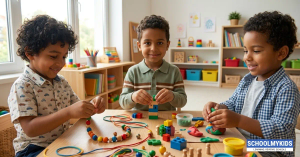
- Morning: Block building challenge. If you have building blocks, great. If not, use cardboard boxes, books, or even cushions. Give them a challenge, like building the tallest tower, a bridge, or a castle.
- Afternoon: Make a fort. Use bedsheets, chairs, and clips, and let them create their own space. Once it's up, they'll play in it for hours.
- Evening: Lego or puzzle time. Let them work independently while you get dinner ready.
Day 5: Story and Imagination Day
- Morning: Story creation. Start a story and let them continue it. "Once upon a time, there was a monkey who found a magic mango..." and let them take over. Write or draw it together.
- Afternoon: Dress-up time. Old sarees, dupattas, dad's shirts; let them create characters and act out scenes. Don't interrupt; just watch the show.
- Evening: Bedtime story with a twist. Instead of reading, tell stories about their grandparents' childhoods or family history. Kids love hearing these stories.
Day 6: Music and Movement Day
- Morning: Dance party. Put on their favorite songs and just dance. It burns energy, lifts moods, and costs nothing.
- Afternoon: Make simple musical instruments. Dried pulses in bottles become shakers, pots become drums, and rubber bands on boxes become guitars.
- Evening: Learn a simple traditional song or rhyme. "Lakdi ki kathi," "Nani teri morni," or regional folk songs your parents taught you.
Day 7: Indoor Games Day
- Morning: Treasure hunt. Hide small objects around the house and give them clues. Start simple for younger kids, make it tricky for older ones.
- Afternoon: Balloon games. Balloon volleyball (don't let it touch the ground), balloon tennis (using paper plates as rackets), or just see how long they can keep it up.
- Evening: Board game tournament. Ludo, chess, checkers, or even UNO. Make it a family competition with silly prizes.
Day 8: Learning Through Play Day
- Morning: Sorting and organizing. Give them different items to sort—clothes by color, toys by type, or buttons by size. It teaches categorization and keeps them focused.
- Afternoon: Letter or number hunt. Call out a letter or number, and they find objects starting with that letter or count that many items.
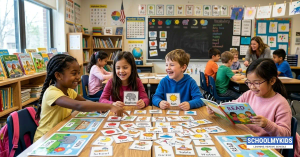
- Evening: Flashcard games. If you have flashcards, great. If not, make simple ones with paper. Make it fun with point systems or races.
Day 9: Sensory and Calm Day
- Morning: Playdough time. Make homemade playdough (flour, salt, water, oil, food color) or use store-bought. Let them squish, roll, and create.
- Afternoon: Coloring and drawing. Put on calm music, give them coloring books or blank paper, and let them zone out peacefully.
- Evening: Yoga or stretching. Simple poses like cat-cow, tree pose, or just stretching like animals. YouTube has great kids' yoga videos.
Day 10: Nostalgia Day
- Morning: Teach them five stones. This traditional game improves hand-eye coordination and concentration.
- Afternoon: Indoor hopscotch. Use masking tape to make a hopscotch grid on the floor. Same fun, zero outdoor pollution.
- Evening: Show them old family photos or videos. Kids love seeing baby pictures and hearing stories about "when mom was little."
Day 11: Science and Discovery Day
- Morning: Shadow play. Use a flashlight or phone torch and create shadow puppets on the wall. Explain how shadows work.
- Afternoon: Magnet experiment. Gather items and test what sticks to a magnet. Discuss why metals behave differently.
- Evening: Grow something. Plant seeds in a small pot (coriander, beans, or even onion stems in water). Let them observe growth daily.
Day 12: Free Choice and Reflection Day
- Morning: Let them choose what they want to do from the past 11 days. Repeat their favorite activity.
- Afternoon: Create a "December Memory Book." Draw or write about their favorite moments from the past 12 days.
- Evening: Family gratitude circle. Everyone shares one thing they're grateful for or one fun thing they did this month.
Conclusion
This planner isn't set in stone. Some days you'll do multiple activities. Some days you'll do one thing for 20 minutes and call it a day. Some days you'll throw the plan out the window because the kids are in a mood or you have work deadlines.
The point isn't to follow this perfectly. The point is to have ideas ready, so when you hear "I'm bored" for the tenth time, you're not scrambling. You can say, "Okay, let's build a fort" or "Let's make dough" without needing to plan from scratch.
Also, this December is different. With pollution keeping kids indoors more than usual and winter in full swing, these indoor activities aren't just entertainment. They're necessary for your child's physical health (staying indoors when air is bad), mental stimulation (keeping their brains active), and your sanity (keeping them occupied so you can breathe).



Be the first one to comment on this story.