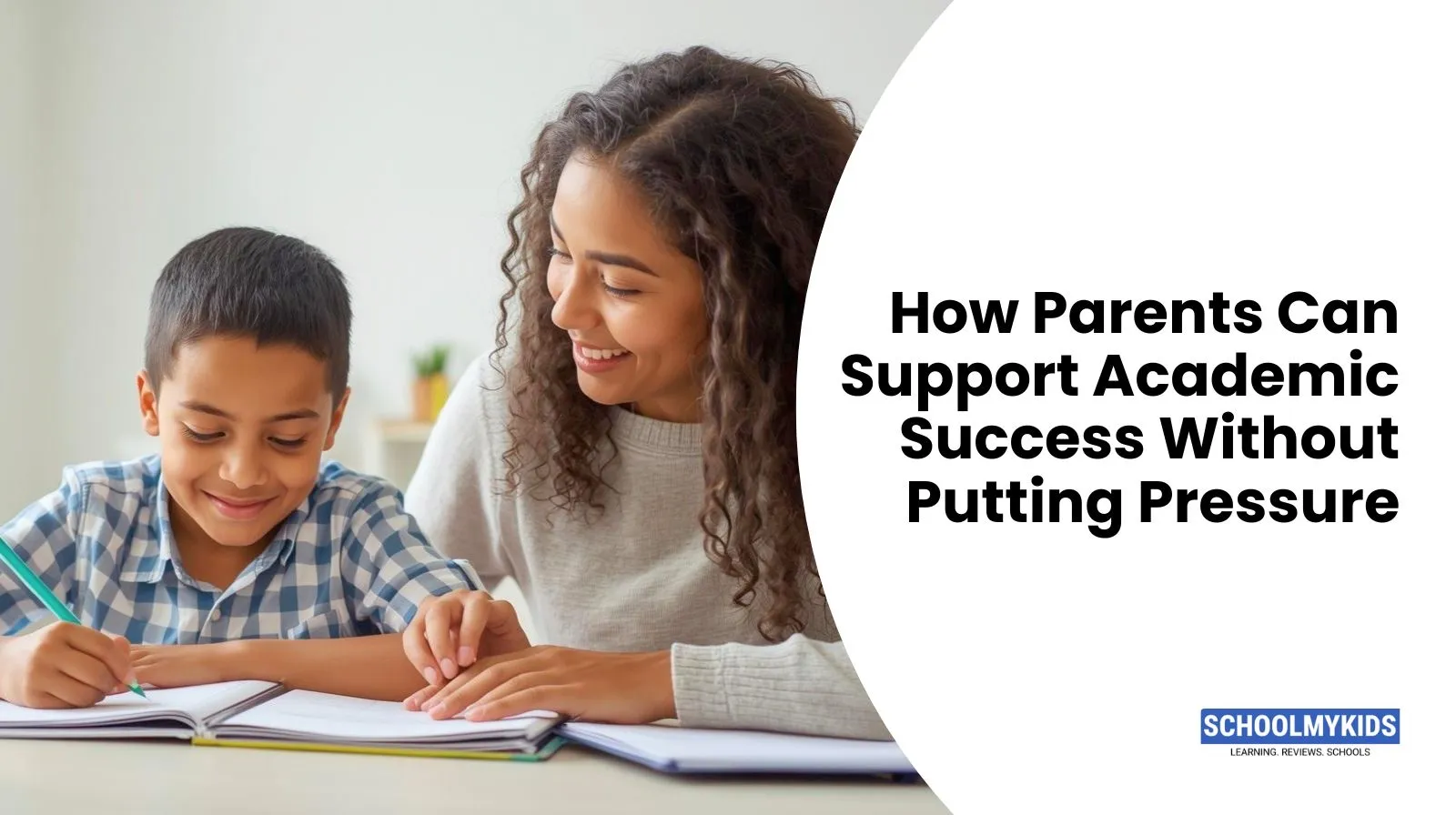
Helping children perform well academically is important for most families. However, many parents struggle to balance encouragement with expectations. When support turns into pressure, children may experience anxiety, loss of motivation, and negative feelings about learning.
Research-backed strategies now offer a clear roadmap for families to help children succeed in school while protecting their emotional well-being. Recent longitudinal studies in educational psychology and child development show that supportive parenting, healthy routines, and strong collaboration with teachers significantly improve both academic outcomes and mental health.
In 2026, educators increasingly emphasize holistic development, meaning schools value skills like creativity, resilience, collaboration, and emotional intelligence alongside grades. By focusing on these broader goals, parents can support their child's learning at home, strengthen the parent-teacher partnership, and apply effective parent-teacher communication tips to nurture academic success without unnecessary stress.
Why Academic Pressure Can Harm Learning
Many parents assume that pushing children harder will automatically lead to better academic results. However, research shows that excessive pressure often produces the opposite effect.
Recent reports, including WHO/Europe 2024–2025 findings, indicate that school pressure among adolescents has increased in several regions. Many teenagers report anxiety linked to academic expectations, lack of balance, and fear of failure.
Excessive pressure can contribute to:
Fear of failure
Reduced confidence
Loss of interest in learning
Test anxiety
Difficulty concentrating
Sleep problems or fatigue
While realistic encouragement can motivate children, overly high expectations may lead to burnout and reduced academic performance.
The Science Behind Learning and Stress
Neuroscience explains why pressure can interfere with learning. When the brain’s amygdala detects stress or fear, it activates a “fight-or-flight” response. This can temporarily reduce the efficiency of the prefrontal cortex, the part of the brain responsible for reasoning, problem-solving, and learning new information.
Simply put, children learn best in a state known as “relaxed alertness.”
Educational psychologists also highlight Self-Determination Theory, which states that students are more motivated when three psychological needs are met:
Autonomy – feeling some control over learning
Competence – believing effort can lead to improvement
Relatedness – feeling supported by parents and teachers
When these conditions exist, students are more likely to stay engaged and develop long-term academic confidence.
Signs Your Child May Be Feeling Academic Pressure
Parents sometimes unintentionally create stress while trying to support their child's learning at home. Recognizing early warning signs allows families to adjust their approach.
Common indicators include:
Frequent complaints about schoolwork
Avoiding homework or studying
Sudden drop in confidence
Trouble sleeping before tests
Irritability or frustration
Fear of disappointing parents
Physical Signs of Academic Stress
Children may also display physical symptoms when experiencing academic pressure.
These can include:
Headaches
Stomachaches before school or exams
Fatigue or low energy
Nausea during exam periods
These symptoms are commonly noted by pediatric and mental health professionals as signals that stress may be affecting a child’s well-being.
Practical Ways to Help Children Succeed in School Without Pressure
Parents do not need strict monitoring or constant reminders to support academic progress. Instead, thoughtful strategies can help children succeed in school while maintaining emotional balance.
Encourage Effort Rather Than Results
One of the most effective academic support tips is praising effort rather than only outcomes.
Research on Growth Mindset, developed by psychologist Carol Dweck, shows that children who are praised for effort are more likely to persist through challenges and view mistakes as learning opportunities.
Parents can reinforce this mindset by:
Praising hard work and persistence
Celebrating improvements over time
Encouraging children to learn from mistakes
This approach helps children build resilience and confidence.
Build Healthy Study Habits
Consistent routines allow children to feel organized and secure in their learning process.
Parents can support their child's learning at home by:
Setting a regular homework schedule
Creating a quiet study space
Limiting distractions during study time
Encouraging short breaks between tasks
Simple routines often reduce stress and improve concentration.
Encourage Curiosity Through Inquiry-Based Learning
Modern education increasingly promotes Inquiry-Based Learning, where students explore questions and investigate topics independently.
Parents can encourage this by:
Asking open-ended questions about school topics
Connecting lessons with everyday experiences
Encouraging research on subjects children enjoy
Using educational games or documentaries
Inquiry-based learning promotes deeper understanding and makes studying more engaging.
How to Build a Growth Mindset and Academic Resilience
Resilience helps students manage challenges without losing motivation.
Parents can strengthen resilience by:
Encouraging children to view mistakes as learning opportunities
Teaching problem-solving skills
Allowing children to take responsibility for their learning
Recognizing persistence and progress
These strategies help students develop a growth mindset, which has been linked to improved motivation and academic achievement.
The Importance of a Strong Parent-Teacher Partnership
Academic success is rarely achieved by students alone. A strong parent-teacher partnership plays a critical role in supporting learning.
Teachers observe students’ classroom behavior and learning styles, while parents understand their children’s personalities and habits at home.
Benefits of a strong partnership include:
Better understanding of a child’s strengths and challenges
Early identification of learning difficulties
Consistent expectations between school and home
Increased student confidence
When families and educators collaborate, students benefit from a more supportive learning environment.
Parent-Teacher Communication Tips for Academic Success
Strong communication with teachers is one of the most effective ways to help children succeed in school.
Below are practical parent-teacher communication tips parents can apply.
Attend Parent-Teacher Meetings Prepared
Before meetings, parents may consider asking questions such as:
How does my child participate in class?
What subjects might require additional practice?
How can I support my child's learning at home more effectively?
Prepared discussions lead to productive conversations.
Maintain Respectful and Open Communication
Healthy relationships between parents and teachers depend on mutual respect.
Effective communication practices include:
Listening carefully to teacher feedback
Sharing observations from home
Working together to find solutions
This approach strengthens the parent-teacher partnership and improves student outcomes.
Follow Up on Teacher Recommendations
When teachers provide suggestions, parents can reinforce them at home.
Examples include:
Adjusting study routines
Providing additional practice in challenging subjects
Supporting recommended learning strategies
Children benefit when parents and teachers work as a unified support system.
Balancing Digital Learning and Focus
Digital tools, online platforms, and AI-based learning systems are increasingly common in classrooms. While technology can enhance education, excessive screen use can affect focus and attention.
Parents can maintain balance by:
Setting limits on recreational screen time
Encouraging offline reading and creative activities
Monitoring how children use digital learning tools
Teaching responsible digital habits
Healthy digital habits help students benefit from technology without becoming distracted.
Creating a Healthy Study Environment at Home
A supportive home environment helps reduce academic pressure on children while encouraging consistent study habits.
Parents can create a positive atmosphere by:
Keeping study materials organized
Maintaining a balanced routine with play and rest
Avoiding constant reminders about grades
Celebrating progress and effort
When learning is encouraged rather than forced, children become more confident learners.
Common Mistakes Parents Should Avoid
Comparing Children With Others
Comparisons can damage self-esteem and motivation.
Every child learns at a different pace, and progress should be evaluated individually.
Overloading Children With Activities
Extracurricular activities are beneficial when balanced. However, too many commitments can overwhelm children.
Balancing academics, hobbies, and rest is essential to reducing academic pressure on children.
Focusing Only on Grades
Grades matter, but they are not the only indicator of success.
Parents should also encourage:
Creativity
Curiosity
Problem-solving skills
Perseverance
These skills contribute to long-term academic and personal growth.
Encouraging Emotional Well-Being Alongside Academic Growth
Emotional health strongly influences academic performance.
Parents can support well-being by:
Listening to their child’s concerns about school
Encouraging open discussions about challenges
Supporting friendships and hobbies
Teaching healthy coping strategies during exams
When children feel emotionally supported, they become more resilient learners.
A Simple Parent Toolkit for Academic Support
Parents looking for practical academic support tips can follow this simple checklist:
Maintain regular communication with teachers
Encourage effort and persistence
Establish a consistent study routine
Promote curiosity and independent learning
Balance schoolwork with rest and hobbies
Monitor digital learning habits
This toolkit helps families create a positive environment that encourages learning without unnecessary pressure.
Conclusion
Supporting a child’s academic journey requires balance, encouragement, and collaboration rather than constant pressure.
By applying practical academic support tips, strengthening the parent-teacher partnership, and using effective parent-teacher communication tips, parents can build a supportive learning environment.
Modern education increasingly values holistic development, a growth mindset, and inquiry-based learning. When families focus on these principles, children develop confidence, resilience, and curiosity.
Ultimately, when parents support their child's learning at home and focus on encouragement rather than pressure, they help children succeed in school while protecting their mental and emotional well-being.
FAQs
How can parents help children succeed in school without creating stress?
Parents can help children succeed in school by encouraging effort, creating consistent study routines, maintaining communication with teachers, and focusing on learning progress rather than only grades.
What is the “Goldilocks Zone” of academic pressure?
The “Goldilocks Zone” describes the balance where children experience enough challenges to stay motivated but enough support to avoid burnout. This balance often involves scaffolded learning, where support is gradually reduced as students gain confidence.
Why is a parent-teacher partnership important?
A strong parent-teacher partnership allows parents and teachers to share insights about a child’s progress, identify challenges early, and provide consistent support both at home and at school.
How can parents support their child's learning at home?
Parents can support their child's learning at home by creating a structured study routine, encouraging reading and curiosity, reducing distractions, and maintaining open conversations about school.
How can families reduce academic pressure on children?
Families can reduce academic pressure on children by setting realistic expectations, avoiding comparisons, balancing academics with extracurricular activities, and recognizing effort rather than focusing only on results.






Be the first one to comment on this story.