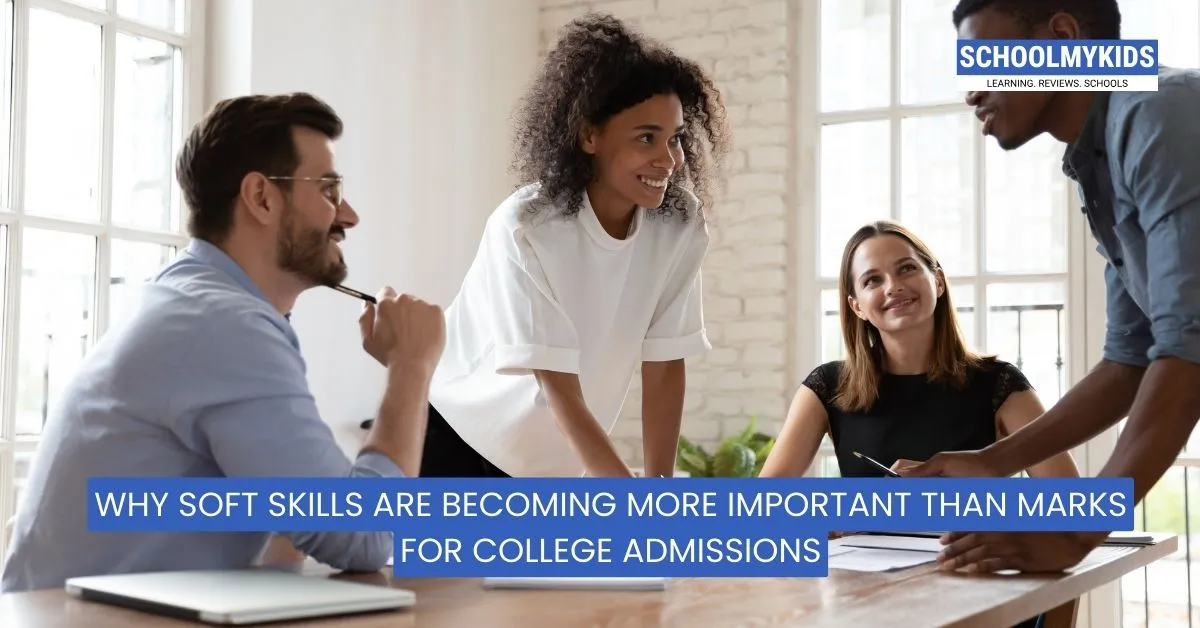
Soft skills are becoming increasingly important than marks for college admissions because they demonstrate a student's ability to thrive in real-world environments beyond academic knowledge. Colleges now prioritize qualities such as communication, teamwork, leadership, adaptability, and emotional intelligence because these skills directly affect a student's contribution to campus life, collaboration with peers, and future career readiness. While marks indicate subject mastery and dedication, soft skills reveal how well a student can apply that knowledge practically, solve problems, and interact effectively in diverse situations. Employers and educational institutions alike recognize that a balanced skill set—combining academic achievement with strong soft skills—leads to better long-term success, making soft skills an essential part of admissions and student development today.
Why Soft Skills Matter More
Soft skills foster positive work ethics, leadership potential, conflict resolution, and effective communication, enabling students to excel academically and socially. They prepare students to handle stress, adapt to change, and engage productively in teams, thereby enhancing academic performance and creating a respectful, dynamic learning environment. Importantly, these attributes align with what colleges seek in well-rounded candidates who will enrich the campus community.
Growing Trends in Admissions
Modern college admissions increasingly include holistic review processes, focusing on authentic student profiles rather than solely test scores or GPAs. Admissions officers look for evidence of interpersonal skills through interviews, recommendation letters, extracurricular activities, and personal essays. This shift reflects recognition that students with strong soft skills are more likely to succeed in higher education and beyond.
Developing Soft Skills During College
Students are encouraged to engage in extracurriculars, leadership roles, volunteering, and group projects to build these capabilities. Colleges often support this with workshops, personality development programs, and opportunities to network, which help students practice real-world skills in communication, emotional intelligence, and problem-solving. Such experiences prepare students not just for admission but for lifelong professional and personal success.
Conclusion
In today's competitive and interconnected world, soft skills complement academic excellence and often weigh more heavily in college admissions decisions. These skills prepare students to contribute meaningfully to campus life and adapt to future workplace challenges. Therefore, investing time and effort in developing soft skills alongside academic achievements is essential for students aspiring to gain admission to their desired colleges and succeed thereafter





Be the first one to comment on this story.