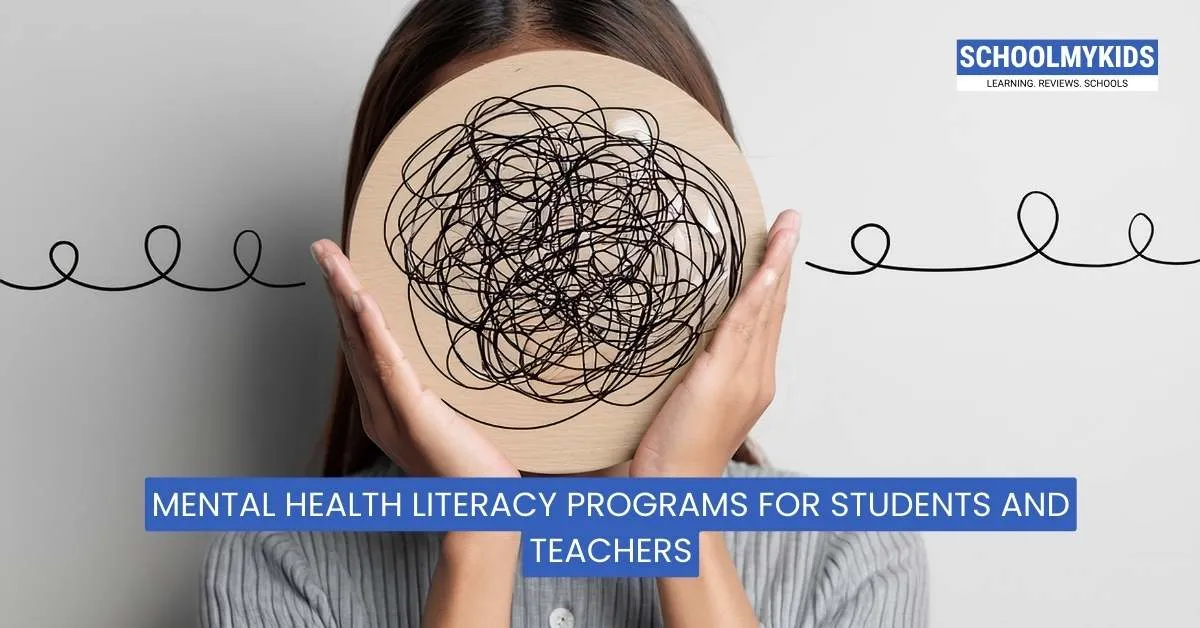
Schools spend years teaching students how to solve equations, memorize definitions, and prepare for exams that barely resemble real life. Yet when it comes to understanding stress, anxiety, burnout, or emotional regulation, the system mostly shrugs and hopes families handle it. Mental health literacy programs exist because that approach has clearly failed.
These programs are not about turning schools into therapy centers. They are about giving students and teachers basic psychological understanding, the same way health education teaches hygiene before disease.
What Mental Health Literacy Actually Means
Mental health literacy is not counseling. It is not a diagnosis. It is not motivational posters with empty slogans.
It includes:
- Understanding common mental health challenges
- Recognizing early warning signs
- Knowing when and how to seek help
- Reducing stigma around emotional struggles
- Building everyday coping and self-regulation skills
In short, it teaches people to recognize problems before they become crises.
Why Students Need Mental Health Literacy
1. Academic Pressure Is Not “Character Building”
Constant evaluation, comparison, and competition are normalized in schools. Students are told stress is part of success. This logic quietly breaks many of them.
Mental health literacy helps students:
- Identify unhealthy stress
- Understand emotional overload
- Normalize asking for help
- Stop confusing suffering with achievement
Ignoring this does not make students tougher. It just makes problems invisible.
2. Early Awareness Prevents Long-Term Damage
Most mental health issues begin before adulthood. When students lack language for what they feel, problems show up later as:
- Dropouts
- Addiction
- Chronic anxiety
- Emotional shutdown
Teaching awareness early gives students vocabulary, not labels. That matters.
Why Teachers Need It Just as Much
Teachers are often the first adults to notice changes in students. Unfortunately, they are rarely trained to interpret what they see.
Mental health literacy helps teachers:
- Distinguish behavior issues from distress
- Respond without shaming or panic
- Refer students appropriately
- Manage their own burnout
Expecting teachers to handle emotional crises without training is like asking them to teach physics without knowing math.
The Teacher Burnout Problem No One Likes Discussing
Teachers operate under:
- High workload
- Low autonomy
- Emotional labor
- Unrealistic expectations
Many mental health programs talk about students while ignoring teachers' well-being. That is short-sighted.
A burned-out teacher cannot support healthy classrooms. Literacy programs must include:
- Stress management
- Boundary setting
- Emotional resilience
- Institutional support systems
Otherwise, schools are just redistributing exhaustion.
What Effective School Programs Look Like
Good mental health literacy programs are:
- Age-appropriate
- Integrated into regular curriculum
- Skill-focused, not lecture-heavy
- Ongoing, not one-time workshops
They use:
- Discussions
- Role-playing
- Real-life scenarios
- Reflection activities
Bad programs rely on:
- One annual seminar
- Generic motivational talks
- Fear-based messaging
Those check boxes. They do not change behavior.
Reducing Stigma Is the Core Goal
The biggest barrier to mental health support is not a lack of counselors. It is stigma.
Students fear being:
- Labeled
- Judged
- Seen as weak
Teachers fear being:
- Blamed
- Seen as incompetent
- Overwhelmed by responsibility
Mental health literacy normalizes emotional struggles without dramatizing them. That balance is critical.
India’s School Context: Why This Is Urgent
In India:
- Counseling access is limited
- Academic pressure starts early
- Emotional expression is discouraged
- Mental health is still taboo
This makes schools a crucial intervention point. Waiting until college or adulthood is already late.
Mental health literacy does not replace professional care. It creates pathways to it.
What Schools Often Get Wrong
Common mistakes include:
- Treating mental health as a “special topic”
- Outsourcing responsibility to counselors alone
- Ignoring systemic stressors like workload and assessment
- Expecting quick visible results
Mental health literacy works slowly. It changes culture, not exam scores. That makes it easy to undervalue.
The Long-Term Payoff
Schools that invest in mental health literacy often see:
- Better classroom engagement
- Improved teacher retention
- Healthier student relationships
- Reduced disciplinary issues
These outcomes rarely make headlines, but they determine whether education actually works.
Conclusion
Mental health literacy programs are not a luxury add-on. They are foundational education for living in a high-pressure, uncertain world.
Teaching students how to think without teaching them how to cope is irresponsible. Expecting teachers to manage emotions without tools is unfair.
If schools can schedule exams, they can schedule emotional education.If they don’t, the cost shows up later in silence, burnout, and regret.






Be the first one to comment on this story.