Introduction
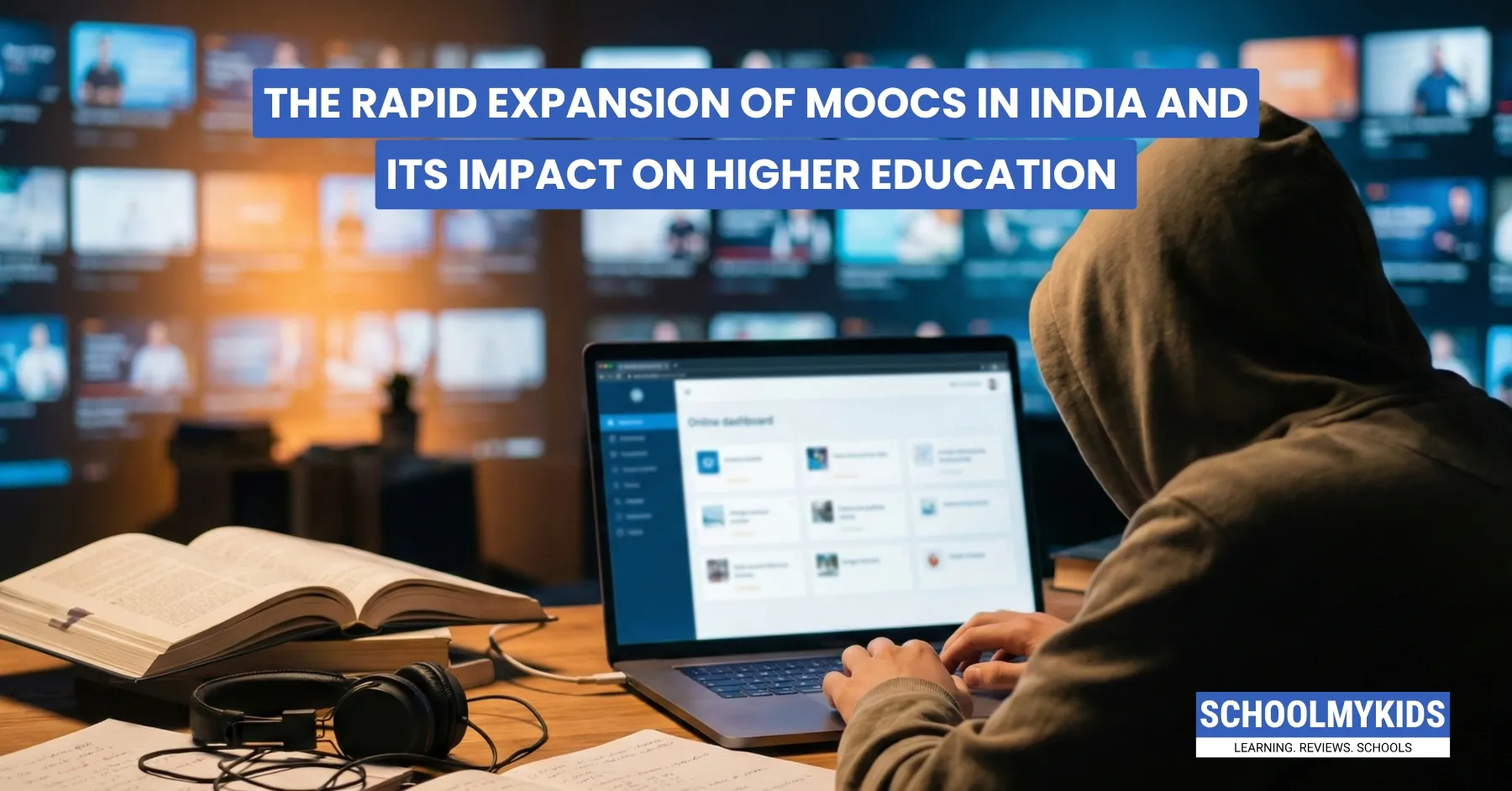
Massive Open Online Courses (MOOCs) have experienced explosive growth in India, transforming higher education accessibility and delivery. Platforms like SWAYAM, Coursera, and edX have enrolled millions, addressing infrastructure shortages and skill gaps. With India's higher education gross enrollment ratio (GER) at 28.4% and demand for 40 million additional seats by 2025, MOOCs offer scalable solutions blending quality content from top institutions with flexible learning.
Growth Drivers of MOOCs in India
Government Initiatives and SWAYAM Platform
Launched in 2017, SWAYAM (Study Webs of Active Learning for Young Aspiring Minds) hosts over 10,000 courses from IITs, IIMs, and central universities, serving 3.5 crore+ learners. UGC mandates 20% credit transfer for MOOCs, integrating them into degrees. Over 5 million certifications issued annually democratize elite education.
Smartphone Penetration and Affordable Data
India's 1.2 billion mobile users and Jio's data revolution enable anytime access. 70% of SWAYAM users access via mobiles, with rural enrollment surging 150% post-COVID.
Industry Partnerships and Skill Focus
Collaborations with NASSCOM, Microsoft, and Google target employability. MOOCs in AI, data science, and cybersecurity see 300% enrollment growth, aligning with NEP 2020's skill emphasis.
Impact on Higher Education
Enhanced Accessibility and Equity
MOOCs bridge urban-rural divides, with Tier-2/3 cities contributing 60% enrollments. Women participation rose 40%, and economically weaker sections gained free access to IIT-level courses.
Credit Recognition and Degree Integration
ABC (Academic Bank of Credits) allows seamless credit accumulation. 15% of universities now offer MOOC-based degrees, reducing dropout rates by 25% through flexible pacing.
Quality Improvement and Faculty Development
Top faculty create standardized content, elevating teaching standards. Analytics track engagement, enabling data-driven curriculum refinement.
Employability Boost
India Skills Report notes MOOC completers 20% more employable. Certifications from Coursera/edX carry weight in hiring, with 80% learners reporting career advancement.
Challenges Facing MOOC Expansion
Low Completion Rates (10-15%)
Self-paced nature leads to drop-offs. Solutions: Gamification, mentorship, and cohort-based learning improve completion by 30%.
Digital Divide and Quality Assurance
Rural internet gaps persist. AI proctoring and offline modes address this, while accreditation ensures rigor.
Market Saturation
Over 500 platforms compete. Differentiation via vernacular content and micro-credentials is key.
Future Outlook
By 2030, MOOCs are projected to reach 100 million Indian learners, contributing 10% to GER growth. Integration with VR/AR, blockchain credentials, and hybrid degrees will redefine higher education. Global partnerships expand offerings, positioning India as an MOOC leader.
Conclusion
MOOCs' rapid expansion is reshaping Indian higher education from an exclusive to an inclusive, skill-centric model. By democratizing access, enhancing employability, and fostering innovation, they address systemic challenges while preparing youth for global opportunities. Sustained policy support and tech advancement will amplify their transformative impact





Be the first one to comment on this story.