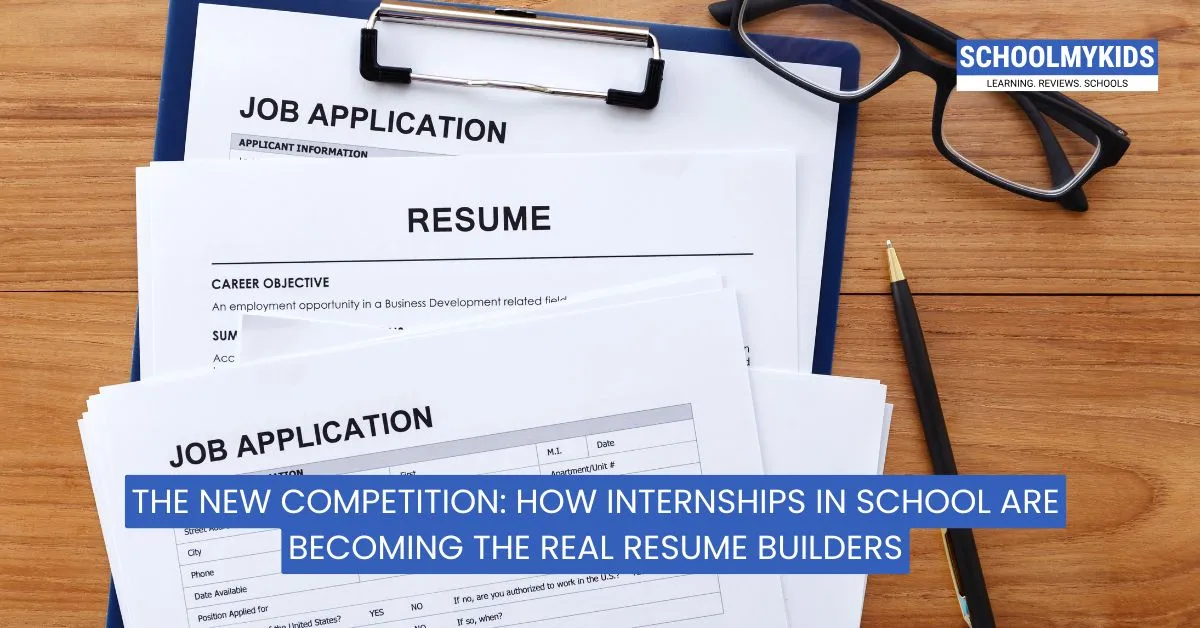
Internships in school have increasingly become vital resume builders, offering students practical experience, skill development, and career networking opportunities that traditional classroom learning cannot fully provide. These internships go beyond mere resume fillers to become essential pathways to employment and career advancement, especially in a competitive job market.
Role of Internships as Resume Builders
Internships provide students with real-world work experience directly related to their field of study or career interests. This experience helps them develop both hard and soft skills, such as technical abilities, communication, teamwork, and problem-solving, which are highly valued by employers. Many companies now view internships as a testing ground for future full-time hires, making them crucial for early career success. Students with internships on their resumes tend to stand out to hiring managers by demonstrating initiative and a willingness to learn outside traditional academic settings.
Increasing Importance and Trends
In recent years, internships have become more than temporary work stints; they are integral to student development and increasingly mandatory in some universities. With growing competition for jobs, employers emphasize relevant internship experience when making hiring decisions. The surge in internship demand, particularly in fields like technology, healthcare, and sustainability, reflects this shift. Platforms facilitating internships have reported significant year-over-year growth, highlighting student demand and expanding access via remote and hybrid formats. Many internships now lead to pre-placement offers, indicating their role as a critical pipeline to employment.
Benefits to Career Development
Studies show that internships positively influence career exploration, skill acquisition, professional networking, and employability outcomes. Internships enhance vocational identity and self-confidence, helping students make more informed career decisions. Mentorship and constructive feedback during internships contribute significantly to professional growth. Furthermore, internships develop practical knowledge that helps students perform better in full-time jobs or further studies, enhancing their overall career trajectory.
How Students Should Use Internships for Resumes
To maximize the impact of internships on resumes, students should:
- Highlight relevant work experience and specific accomplishments.
- Emphasize skills gained, including technical and interpersonal skills.
- Include any mentorship or projects showcasing leadership or problem-solving.
- Tailor internship descriptions to align with the desired job roles or industries.
Employers value detailed internship information that reflects a candidate’s readiness for real-world challenges.
This growing trend of internships in schools signals a fundamental change in how students prepare for the workforce, making internships a pivotal element in resume building and career launching today.
Internships in school have become indispensable for building strong resumes and launching successful careers. By offering hands-on experience, skill development, and valuable industry exposure, internships bridge the gap between academic knowledge and workplace expectations. Students who engage in internships not only enhance their resumes but also gain confidence, professional networks, and a clearer career direction. As competition intensifies in the job market, internships stand out as essential stepping stones that equip students with the practical abilities and insights needed to thrive in their future professions. Embracing internships early on is thus a strategic move, making them a real game-changer in career readiness and resume building today







Be the first one to comment on this story.