Introduction
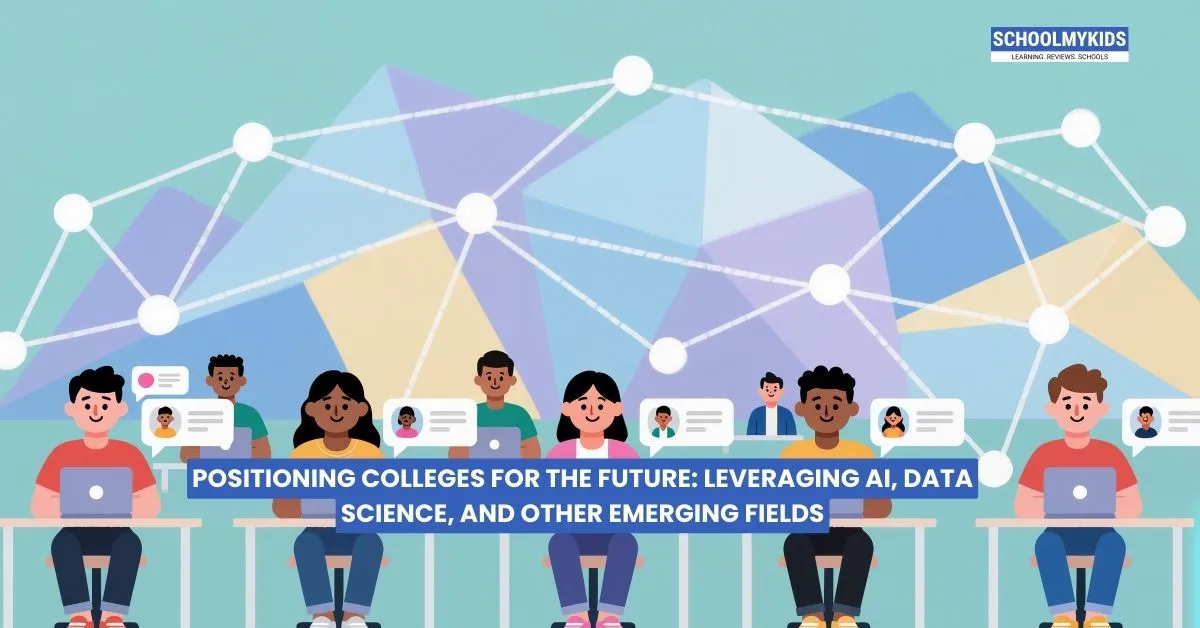
As the global economy becomes increasingly digital and data-driven, colleges are tasked with preparing students for careers that often did not exist a decade ago. Artificial intelligence (AI), data science, machine learning, and related emerging fields are reshaping industries and creating vast demand for highly skilled professionals. To remain relevant and competitive, colleges must strategically integrate these technologies into curricula, infrastructure, and research initiatives to equip students with future-ready skills.
The Imperative for Change: Why Emerging Fields Matter
AI and data science are driving innovation and efficiency in healthcare, finance, manufacturing, marketing, and more. Knowledge in these areas empowers graduates to analyze complex datasets, develop intelligent systems, and make data-informed decisions—capabilities increasingly vital across sectors. Emerging fields like blockchain, cybersecurity, Internet of Things (IoT), and quantum computing add further layers of opportunity and complexity.
Key Strategies for Leveraging Emerging Technologies in Colleges
1. Curriculum Modernization and Flexibility
- Embed AI, data analytics, and machine learning fundamentals across STEM and non-STEM disciplines to allow multidisciplinary application.
- Offer specialized programs aligned with market needs, such as B.Tech in AI & Data Science, Cybersecurity certifications, and ethical AI courses.
- Use modular, stackable credentials and micro-credentials to enable lifelong learning and skill updates.
2. Experiential and Project-Based Learning
- Develop labs and innovation hubs where students experiment with real-world data and AI tools.
- Partner with industry to offer internships, capstone projects, and hackathons promoting hands-on problem-solving and creativity.
- Encourage interdisciplinary teamwork reflecting modern work environments.
3. Faculty Development and Research Support
- Invest in continuing education for faculty to stay abreast of evolving technologies and pedagogies.
- Facilitate AI-driven research initiatives addressing societal challenges, fostering a culture of innovation and ethical responsibility.
4. Industry Collaboration and Ecosystem Building
- Build partnerships with leading tech companies, startups, and research institutions to co-design curricula and facilitate mentorship and job placements.
- Establish advisory boards with industry experts guiding program relevance and future trends.
- Create incubation centers supporting student entrepreneurship in emerging tech domains.
5. Infrastructure and Technology Integration
- Equip campuses with cutting-edge labs, cloud computing resources, and AI platforms accessible to students and faculty.
- Leverage learning management systems (LMS) integrated with AI analytics to personalize learning paths and assess outcomes effectively.
Challenges and Considerations
- Bridging the digital divide and ensuring equitable access to technology among all students.
- Balancing foundational theory with rapidly changing applied technologies.
- Addressing ethical, privacy, and societal impacts inherent in AI and data use.
- Sustaining faculty expertise and motivation amid fast-paced technological change.
Measuring Success and Impact
Colleges should monitor outcomes like graduate employability, industry partnerships, research outputs, and student innovation projects. Surveys of alumni and employers provide feedback to continually refine offerings. Accreditation agencies are increasingly recognizing institutions integrating emerging tech skills as leaders in education.
Conclusion
To thrive in the future, colleges must transform into agile, tech-savvy learning ecosystems that go beyond traditional instruction. By strategically leveraging AI, data science, and other emerging fields through a blend of curriculum innovation, experiential learning, and collaborative ecosystems, institutions empower students to excel in the digital economy, drive societal progress, and shape a resilient workforce ready for tomorrow’s challenges.






Be the first one to comment on this story.