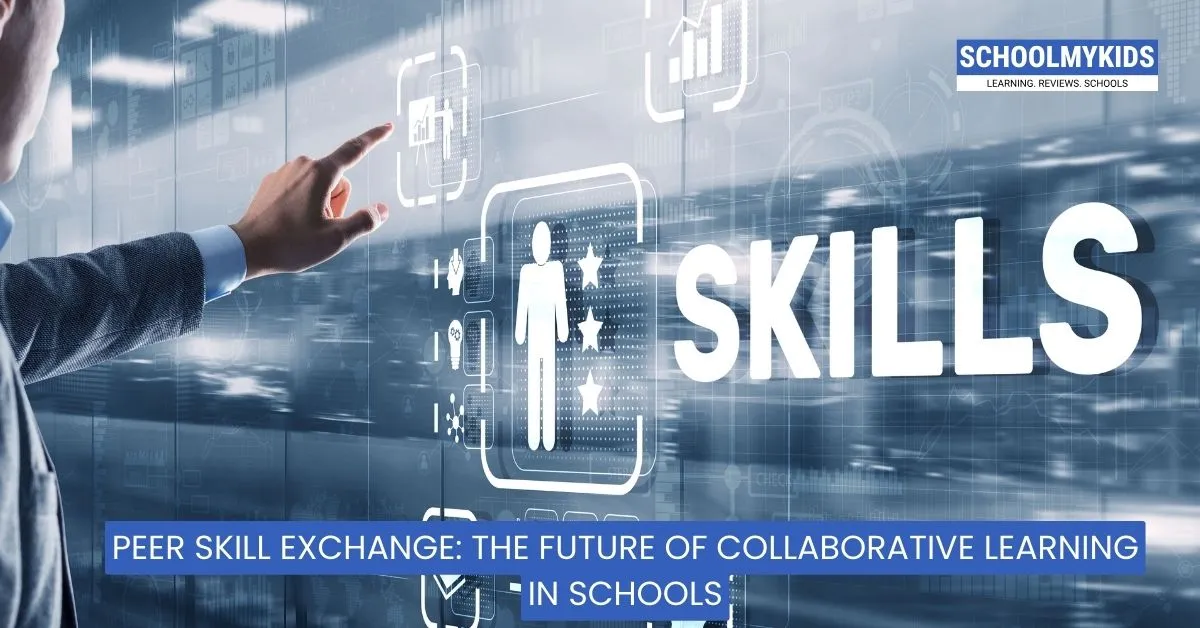
Peer Skill Exchange is revolutionizing collaborative learning in schools by enabling students to learn from one another’s unique strengths and experiences, creating a dynamic and interactive educational environment. This approach moves away from traditional teacher-centered methods, placing students at the core of the learning process. It emphasizes active participation, mutual support, and shared responsibility, helping students to develop critical thinking, communication, and social skills essential for academic and personal growth.
Understanding Peer Skill Exchange
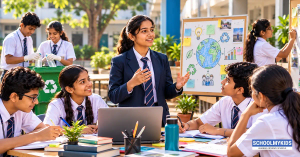
At its core, peer skill exchange involves students teaching and learning with each other through structured or informal ways. Students may share skills ranging from academic subjects like math and science to soft skills such as leadership, creativity, and communication. This method fosters an interactive culture where all participants act as both learners and educators, thereby reinforcing their own understanding while helping peers. Unlike conventional education models, it democratizes learning by removing social and financial barriers and promotes reciprocal knowledge gain.
Key Benefits for Students
- Enhanced Understanding and Retention: Explaining concepts to peers requires deeper mastery, which strengthens knowledge retention and application.
- Improved Communication and Social Skills: Students develop confidence and empathy as they express ideas clearly and listen to diverse perspectives.
- Increased Motivation and Engagement: Learning from peers feels more relatable and stimulating, fostering a sense of belonging and collaboration.
- Building Professional and Personal Networks: Peer skill exchange encourages lasting relationships and networks that benefit students academically and emotionally.
Technological Integration and Future Trends
Modern peer skill exchange is accelerated by digital platforms and AI technologies that match students based on interests and skill levels, facilitate virtual group interactions, and provide personalized learning experiences. Tools like mobile apps for peer learning, virtual reality environments, and collaborative online workspaces enhance accessibility and interactivity across geographic and socio-economic boundaries. These innovations are making skill exchange more scalable and inclusive, particularly in hybrid learning models.
Implementation in Schools
Schools adopting peer skill exchange structure it through peer tutoring programs, collaborative projects, peer assessments, and skill-sharing workshops. Teachers become facilitators, guiding and nurturing student interactions rather than solely delivering content. Moreover, schools leverage technology to organize peer groups, track progress, and encourage reflective feedback. This structured yet flexible approach ensures scalability and effectiveness in improving academic outcomes and life skills.
Broader Educational Impact
Peer skill exchange fosters a learning community that values diversity, equity, and cooperation. It empowers students to take active roles in their education, fostering lifelong learning habits and resilience. The approach also contributes to social-emotional learning by reducing isolation and improving conflict resolution skills. As schools evolve, peer skill exchange stands out as a key strategy for preparing students to thrive in complex, collaborative environments both in higher education and the workforce.
In summary, peer skill exchange represents the future of collaborative learning in schools by creating inclusive, engaging, and effective learning ecosystems. It equips students with not only academic knowledge but also essential interpersonal and cognitive skills, bridging gaps that traditional education alone cannot fill



Be the first one to comment on this story.