Introduction
EdTech startups are revolutionizing education in India and globally by leveraging AI, gamification, and personalized learning platforms. From K-12 interactive lessons to college-level skill development, these innovators are making education accessible, engaging, and outcome-oriented. In 2025, with the Indian EdTech market valued at over $10 billion, startups are bridging gaps in traditional systems through technology-driven solutions.
Personalization Through AI and Adaptive Learning
EdTech platforms use AI algorithms to analyze student performance and tailor content in real-time. Startups like Vedantu and Infinity Learn offer adaptive learning paths that adjust difficulty based on individual progress, improving comprehension for diverse learners. This replaces one-size-fits-all classrooms with customized experiences, boosting retention by up to 40%.
Interactive and Immersive Experiences
Gamification and AR/VR tools make learning fun. Kalam Labs combines gaming with K-12 curriculum, turning subjects into playable challenges. Platforms like Physics Wallah and Unacademy use live interactive classes and quizzes for competitive exam prep (JEE, NEET, UPSC), fostering engagement and peer competition that traditional lectures lack.
Accessibility for Tier-2/3 and Rural Areas
Startups are expanding beyond metros with hyperlocal content in regional languages. Leverage Edu provides AI-driven career guidance and study-abroad support, while WhiteHat Jr teaches coding to young students via affordable online classes. Low-cost subscriptions and offline modes ensure reach to underserved regions.
Bridging Skill Gaps for College Students
For higher education, upGrad, Scaler, and Simplilearn offer job-guaranteed programs in data science, AI, and management. These stackable micro-credentials align with industry needs, providing mentorship, projects, and placements—transforming theoretical college learning into practical career readiness.
Teacher Empowerment and School Management
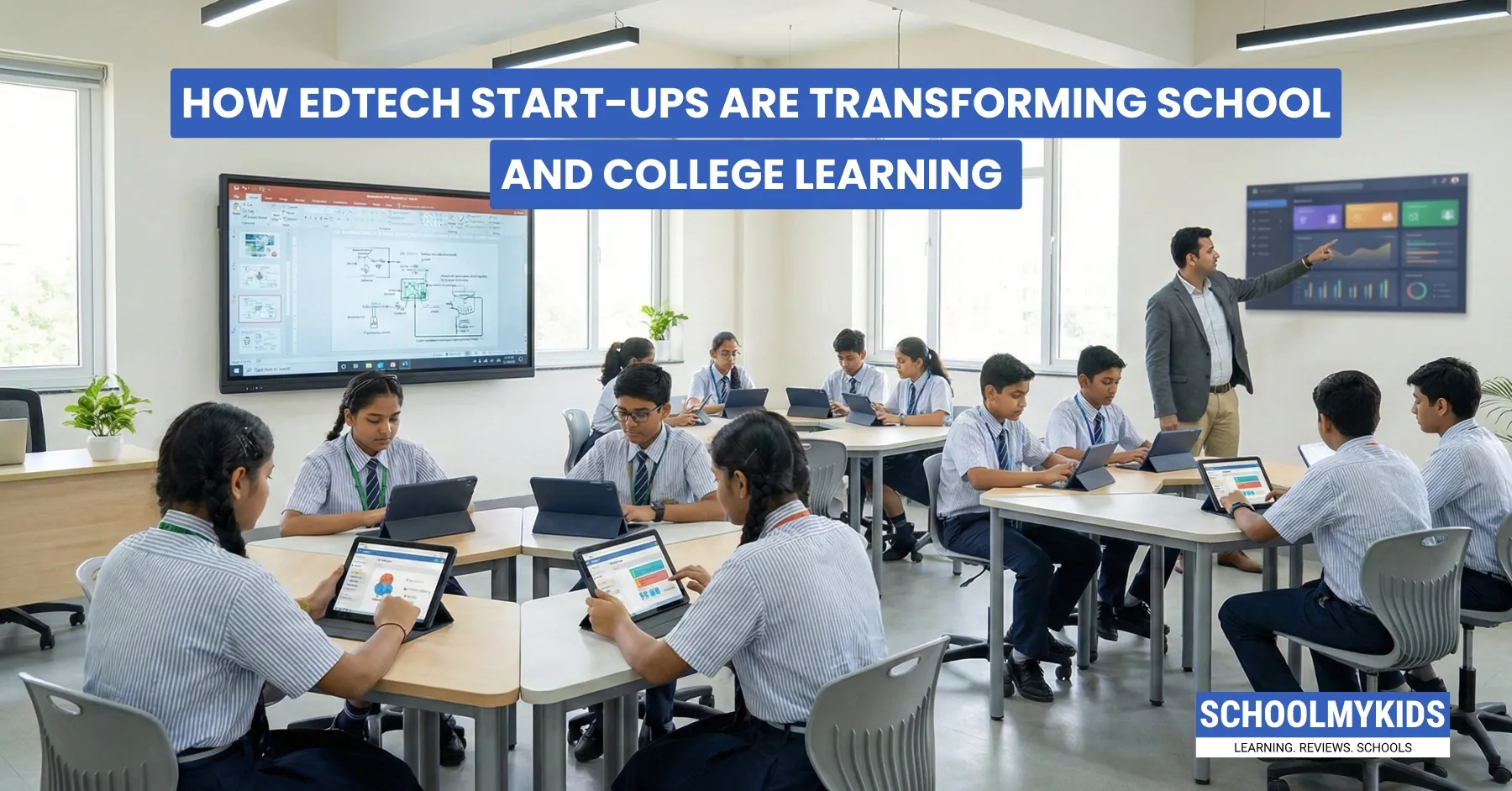
Tools like Classplus and Extramarks enable smart classrooms with analytics for tracking progress. Teachers gain insights into student weaknesses, enabling targeted interventions. Startups also offer professional development courses, enhancing teaching quality.
Challenges and Future Outlook
While scalability and digital divide persist, startups are addressing them through hybrid models and government partnerships. By 2026, expect deeper AI integration, VR labs, and global collaborations, projecting 150% market growth.
Conclusion
EdTech startups are not just digitizing education—they're reimagining it for inclusivity and effectiveness. From personalized K-12 learning to career-focused college programs, they're empowering millions to achieve better outcomes in a competitive world







Be the first one to comment on this story.