Introduction
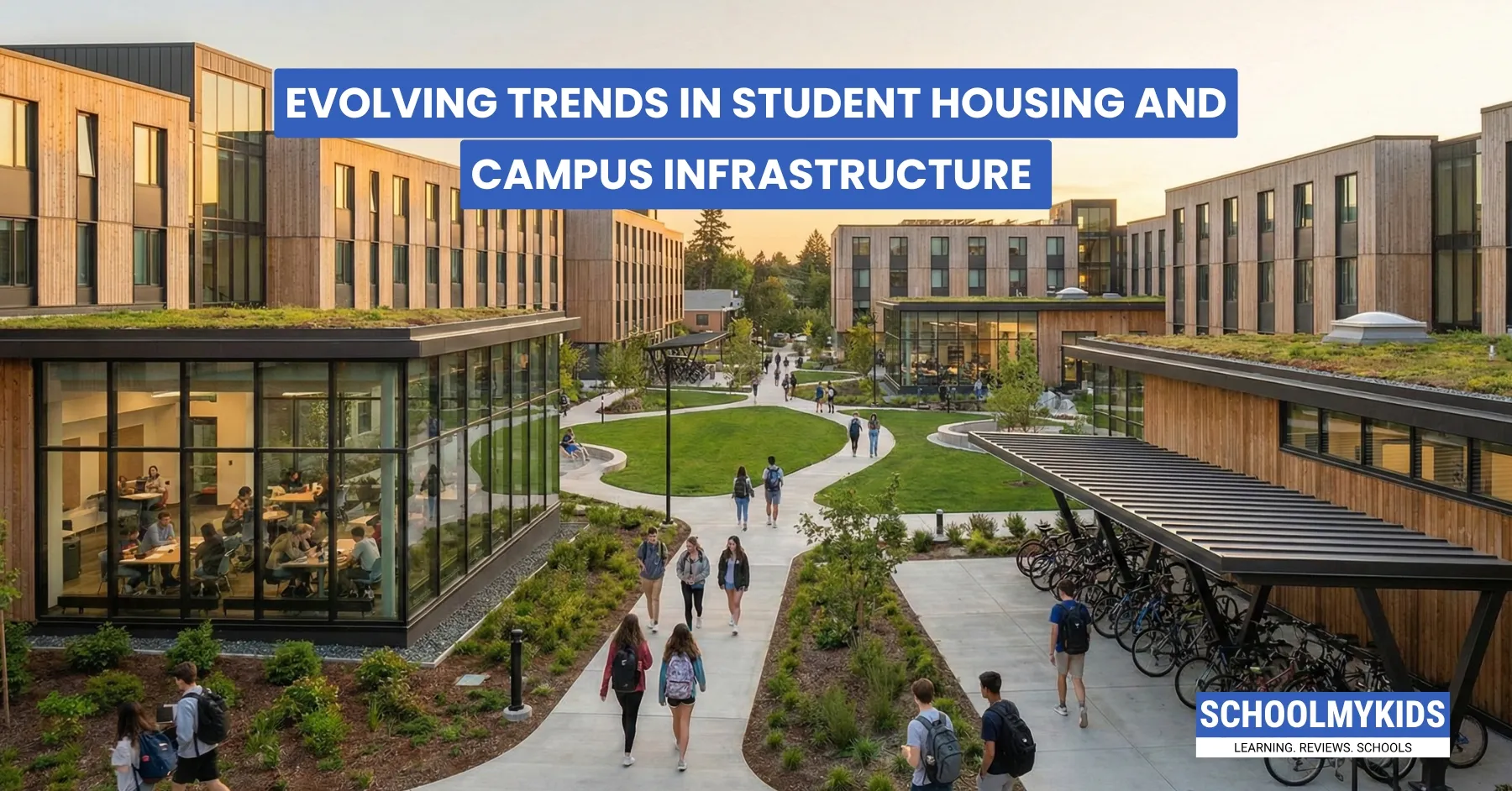
Student housing and campus infrastructure in India are undergoing rapid transformation in 2025, driven by surging enrollments, urbanization, and demand for modern amenities. With higher education enrollment reaching 43.3 million and a target GER of 50% by 2035, the student accommodation market is projected to grow from USD 563.83 billion in 2025 to USD 780.56 billion by 2030 at a CAGR of 6.72%. Campus developments are shifting toward sustainable, tech-enabled spaces that enhance learning and well-being.
Surging Demand and Market Growth
India faces a massive housing gap, with on-campus hostels accommodating only 20% of students, forcing 75% to seek off-campus options. Tier-1 cities like Bengaluru, Delhi, and Pune lead demand due to top institutions, while Tier-2/3 cities (e.g., Jaipur, Lucknow) grow at 9.08% CAGR thanks to cheaper land and improving connectivity. Private operators like Stanza Living report 93%+ occupancy, with rental yields of 8-18% attracting investments.
Key Trends in Student Housing
Purpose-Built Student Accommodation (PBSA)
PBSA dominates with modern amenities—Wi-Fi, laundry, gyms, co-working spaces—commanding 15-20% premium rents. Operators offer managed services, security, and flexible leases (3-12 months) catering to diverse needs, from exam prep in Kota to tech bootcamps in Bengaluru.
Technology Integration
Smart hostels feature IoT for energy management, biometric access, app-based bookings, and AI chatbots for maintenance. 5G-ready buildings and VR study rooms enhance remote collaboration.
Sustainability and Green Certification
LEED/IGBC-rated hostels like IIT Madras's 1,200-bed GRIHA 4-Star facility reflect ESG focus. Solar power, water recycling, and green spaces appeal to eco-conscious students and investors.
Campus Infrastructure Evolution
Global Campuses and Expansion
Foreign universities establishing campuses (e.g., under NEP 2020) demand scalable infrastructure. Budget allocations (INR 50,077 crore for higher ed) fund IIT/NIT expansions, including hostels and sports facilities.
Mixed-Use Developments
Campuses integrate housing, libraries, innovation hubs, and retail, fostering 24/7 learning ecosystems. Brigade Group's projects exemplify real estate-education synergy.
Tier-2/3 Focus
Emerging hubs like Indore and Chandigarh benefit from highways and smart-city initiatives, drawing private universities and skill centers.
Government Support and Policy Boost
Model Tenancy Act 2021 standardizes rentals, while INR 5,000 crore for working-women hostels expands supply. Single-window clearances aim to cut project timelines from 18-24 months.
Challenges Ahead
Regulatory hurdles, financing gaps, and quality inconsistencies persist. Unorganized 90% market share limits scale, but PE investments (USD 700 million targeted) signal professionalization.
Future Outlook
By 2030, PBSA will lead with modular construction and tech upgrades. International student influx (target: 200,000) and skill programs will diversify demand. Investors eye 15% CAGR in Tier-2 growth.
Conclusion
Evolving student housing and campus infrastructure reflect India's education boom, blending affordability, technology, and sustainability. Strategic investments will bridge supply gaps, creating vibrant learning ecosystems that support 50 million+ students







Be the first one to comment on this story.