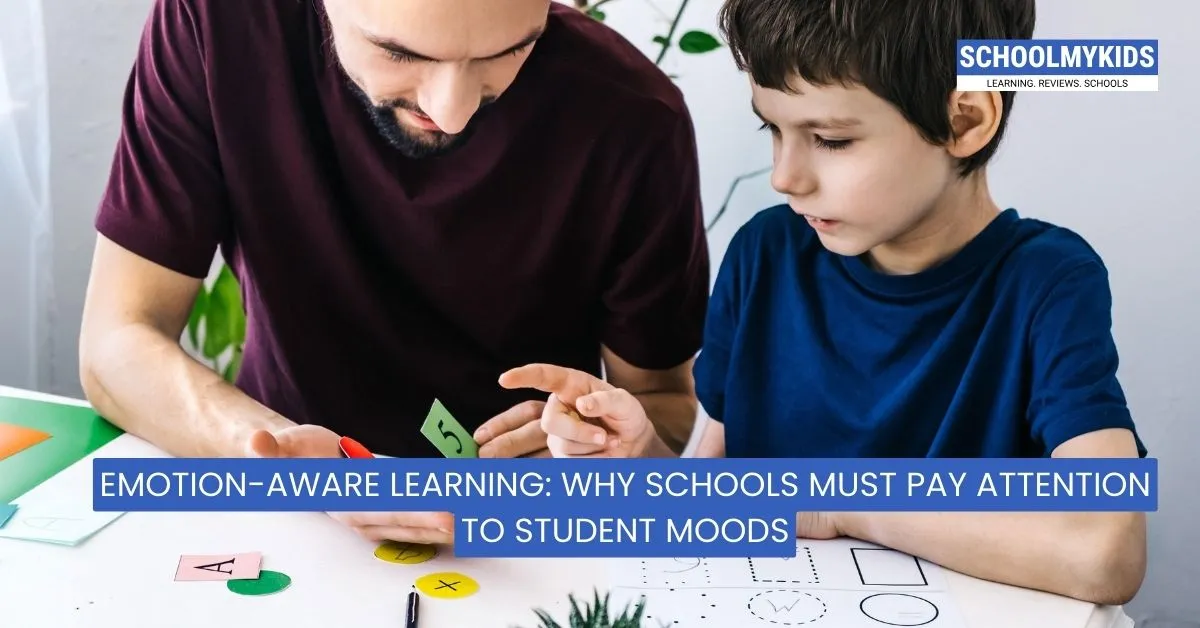
Emotion-aware learning is gaining increasing recognition as essential in schools because student moods significantly impact motivation, engagement, memory, and overall academic performance. Schools must pay attention to student emotions to create an environment conducive to learning, where emotional well-being is supported alongside cognitive development. Technology, including AI-driven emotion recognition tools, is enabling real-time detection and response to students' emotional states, fostering personalized and adaptive learning experiences that address both academic needs and emotional health.
Why Student Moods Matter
Research shows that positive emotions like joy, pride, and hope enhance students' motivation, cognitive processes, and resilience. These emotions encourage exploration, broaden attention, and improve problem-solving abilities, leading to better academic outcomes. Conversely, negative emotions such as anxiety and frustration can reduce motivation and impair learning, making emotional regulation crucial for success.
Emotion-Aware Technologies in Education
Advancements in AI and affective computing allow real-time analysis of facial expressions, voice tones, and physiological signals to identify emotional states during learning. These insights help educators tailor instruction dynamically, offer timely support, and reduce emotional overload. Such emotion-aware systems promote sensitive and personalized learning environments that adapt to students’ feelings, enhancing engagement and well-being.
Pedagogical and Social Implications
Teachers play a vital role by recognizing and responding empathetically to student emotions, creating safe and inclusive classrooms. Emotional awareness training equips educators to better handle stress, foster positive relationships, and implement social-emotional learning (SEL) curricula. Schools that prioritize emotional health report improved behavior, stronger teacher-student connections, and greater academic motivation.
Creating Emotionally Supportive Schools
Effective emotion-aware learning environments emphasize positive school culture, emotional regulation skills, peer support, and collaboration with families. Students benefit from opportunities to express feelings, practice mindfulness, and build emotional intelligence. This holistic approach nurtures resilient learners prepared to face academic and life challenges.
Emotion-aware learning represents a paradigm shift in education by integrating cognitive and emotional dimensions, promoting not only academic excellence but also psychological well-being, essential for lifelong success







Be the first one to comment on this story.