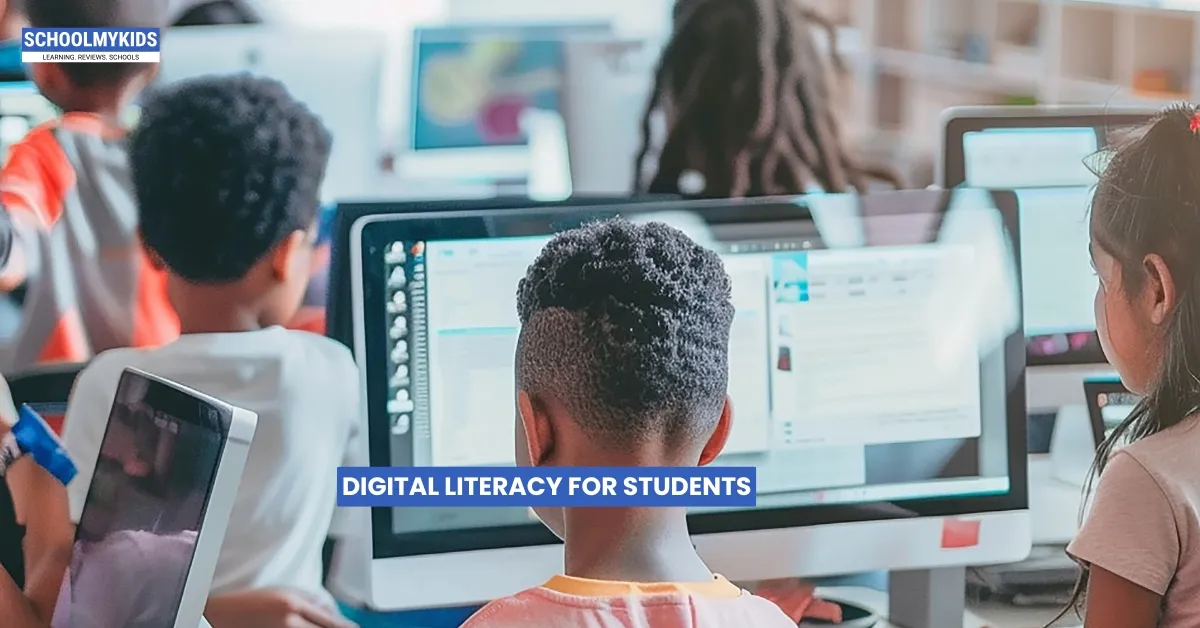
Digital literacy is a foundational skill for students in today’s technology-driven world, encompassing the ability to find, evaluate, create, and communicate information effectively and responsibly using digital tools. It goes beyond basic computer skills to include critical thinking, ethical awareness, and understanding how digital media shapes knowledge and society. Developing digital literacy empowers students to navigate the internet safely, discern credible sources from misinformation, collaborate using digital platforms, and creatively solve problems. Schools have a crucial role in integrating digital literacy into curricula to prepare learners for academic success, future careers, and active citizenship in a connected global community.
Key Components of Digital Literacy for Students
- Access and Navigation: Students should confidently use various digital devices and platforms, knowing how to access information efficiently and safely.
- Critical Evaluation: Teaching students to critically assess online content—recognizing bias, misinformation, and credible sources—is essential for informed learning and decision-making.
- Creation and Communication: Digital literacy includes the ability to produce digital content such as presentations, videos, and blogs, and to communicate ideas clearly and ethically through digital media.
- Safety and Ethics: Students must understand online privacy, recognize cyber threats like phishing or scams, and practice digital citizenship by respecting others and protecting their own digital identity.
- Problem Solving and Flexibility: Adapting to new tools, troubleshooting tech issues, and applying digital skills creatively are vital for ongoing learning and employability.
Why Digital Literacy Matters
Today’s students live in a world where technology permeates education, work, and social interaction. The OECD and UNESCO highlight digital literacy as critical for cognitive development, democratic participation, and economic opportunity. In education, digital literacy supports personalized learning, collaboration, and access to a global knowledge base. It prepares students not only to consume information but to become creators, innovators, and ethical digital citizens capable of navigating an ever-changing digital landscape.
How Schools Can Promote Digital Literacy
- Curriculum Integration: Embedding digital literacy skills across subjects rather than confining them to standalone computer classes.
- Equity of Access: Providing students with devices, internet connectivity, and technical support to bridge the digital divide.
- Teacher Training: Equipping educators with the skills and resources to teach digital literacy effectively.
- Project-Based Learning: Using real-world problems and creative projects to apply digital skills authentically.
- Parental Engagement: Helping families understand digital literacy’s importance and promoting safe tech use at home.
In summary, digital literacy is an essential, multifaceted competency that enables students to thrive academically and socially in a digital age. By fostering these skills, education systems empower youth to be confident, responsible, and innovative users and creators of technology.







Be the first one to comment on this story.