Creating a travel brochure about Indian states is one of the most exciting holiday homework projects you can get! It's not just about copying information from websites - it's about becoming a travel expert and showing off what makes each Indian state special. Let's explore how to create an outstanding brochure that will undoubtedly earn you great grades.
Why This Project Matters
Before we jump into the steps, understand that this project teaches you research skills and creativity and helps you learn about India's incredible diversity. Each state has its own language, food, festivals, and traditions. When you create a brochure, you become like a tour guide, introducing people to these amazing places.
Step 1: Research and Information Gathering

This is your foundation step, so spend a good time here! Pick your state (let's use Kerala as our example) and start collecting information like a detective.
What information do you need?
Create a research checklist and tick off each item as you find it:
- Basic facts (capital, language, population)
- Geography and climate
- Famous tourist places
- Local food and cuisine
- Festivals and celebrations
- Art forms and culture
- Traditional dress
- Famous personalities from the state
- Interesting facts and trivia
For Kerala, your research might look like this:
| Category | Information |
| Capital | Thiruvananthapuram |
| Languages | Malayalam, English |
| Climate | Tropical, monsoon season June-September |
| Famous for | Backwaters, Ayurveda, spices, coconuts |
| Main cities | Kochi, Kozhikode, Thrissur |
Research Sources:
- Government tourism websites
- Travel blogs
- Library books
- Ask family members who've visited
- Watch travel documentaries
Documentation tip: Keep a notebook and write down every source you use. You'll need this for your bibliography!
Step 2: Planning Your Brochure Layout

Now that you have the information, plan how your brochure will look. Think of it like planning a house before building it.
Brochure Structure:
- Front cover with a catchy title
- Inside left panel - basic information
- Center panel - main attractions
- Inside the right panel - culture and food
- Back panel - practical information
For Kerala example:
| Panel | Content |
| Front Cover | "God's Own Country - Kerala Awaits You!" with backwater image |
| Panel 1 | Quick facts, location map, best time to visit |
| Panel 2 | Top 5 destinations with photos |
| Panel 3 | Food, festivals, art forms |
| Back Panel | Travel tips, contact information |
Planning Questions:
- What colors represent your state? (Kerala = green for nature, blue for backwaters)
- What images will you use?
- What's your main selling point?
- Who is your target audience?
Step 3: Content Writing and Organization

This is where your research becomes interesting content. Don't just list facts - tell a story!
Writing Style Tips:
- Use simple, exciting language
- Write like you're talking to a friend
- Include interesting facts that surprise people
- Use action words like "explore," "discover," and "experience."
Kerala Content Example:
Main Headline: "Kerala - Where Nature Meets Culture"
Opening Paragraph: "Imagine floating through calm backwaters on a traditional houseboat, watching coconut trees sway in the breeze. Welcome to Kerala, where every corner tells a different story!"
Quick Facts Table:
| Fact | Detail |
| Nickname | God's Own Country |
| Best time to visit | October to March |
| Famous for | Backwaters, Ayurveda, tea plantations |
| Must-try food | Fish curry, appam, payasam |
| Languages | Malayalam (main), English, Tamil |
Top Attractions Section: Write 2-3 sentences about each place:
- Alleppey Backwaters: "Float on traditional houseboats through narrow canals surrounded by green paddy fields. It's like being in a nature documentary!"
- Munnar Hill Station: "Rolling tea gardens as far as your eyes can see. The morning mist makes it feel magical."
- Kochi Fort: "Walk through history in this old port city where Portuguese, Dutch, and British influences blend together."
Step 4: Visual Design and Layout

Your brochure should look professional and attractive. Even if you're not an artist, you can make it look great!
Design Elements Checklist:
- Clear, readable fonts (avoid fancy fonts that are hard to read)
- Consistent color scheme throughout
- High-quality images (not blurry or pixelated)
- Proper spacing - don't cram everything together
- Important information in boxes or highlighted sections
Kerala Visual Theme:
- Colors: Green, blue, gold (representing nature, water, spices)
- Images: Backwaters, tea plantations, Kathakali dancers, elephant
- Fonts: Clean, modern fonts that are easy to read
Image Guidelines:
- Use at least 5-6 good-quality images
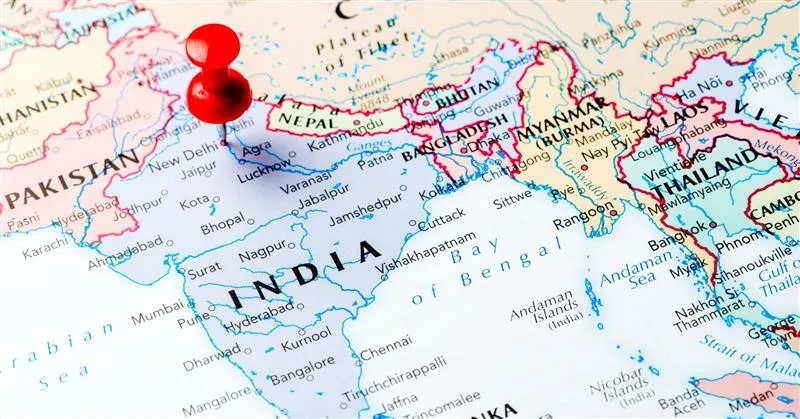
- Include a map showing the state's location
- Mix landscape photos with cultural images
- Always mention image sources
Layout Tips:
- Leave white space - don't fill every inch
- Use bullet points for easy reading
- Make headings bold and slightly bigger
- Align text properly (don't center everything)
Step 5: Decorate, Document, and Present

Decorate:
Add borders, use neat handwriting, and highlight headings with colored pens. Use stickers or glitter for extra effect, but don’t overdo it.
Document Your Project:
- Take photos of each step—research, layout, drawing, and final brochure.
- Write a short note on how you made the brochure and what you learned.
- Attach your rough notes and sketches as proof of your hard work.
What to Include in Your Documentation?
Bibliography Table:
| Source Type | Details |
| Websites | Kerala Tourism Websites like www.keralatourism.org |
| Books | Lonely Planet's South India & Kerala |
| Videos | Kerala Travel Documentary, National Geographic |
Reflection Section: Write a paragraph about what you learned: "While researching Kerala, I discovered that it has a 100% literacy rate, which surprised me. I also learned about Ayurveda and how it originated here. Creating this brochure made me want to actually visit Kerala with my family!"
Quality Check Before Submission
- Spell-check everything twice
- Make sure all images are clear
- Check that your information is accurate
- Ask someone else to read it and give feedback
- Print on good quality paper
Conclusion

Creating a travel brochure isn't just homework; it's your chance to become an expert on an Indian state and maybe inspire others to visit, too. Take your time with each step, be creative, and most importantly, have fun learning about India's incredible diversity. Your teacher will definitely notice the effort you put in, and you might just discover your new favorite place in India!