
When the Finish Line Removes the Road
For months, sometimes years, a student’s life revolves around exams. Timetables are fixed. Goals are clear. Every day has a purpose, even if it is stressful.
Then exams end.
And with them, the structure disappears.
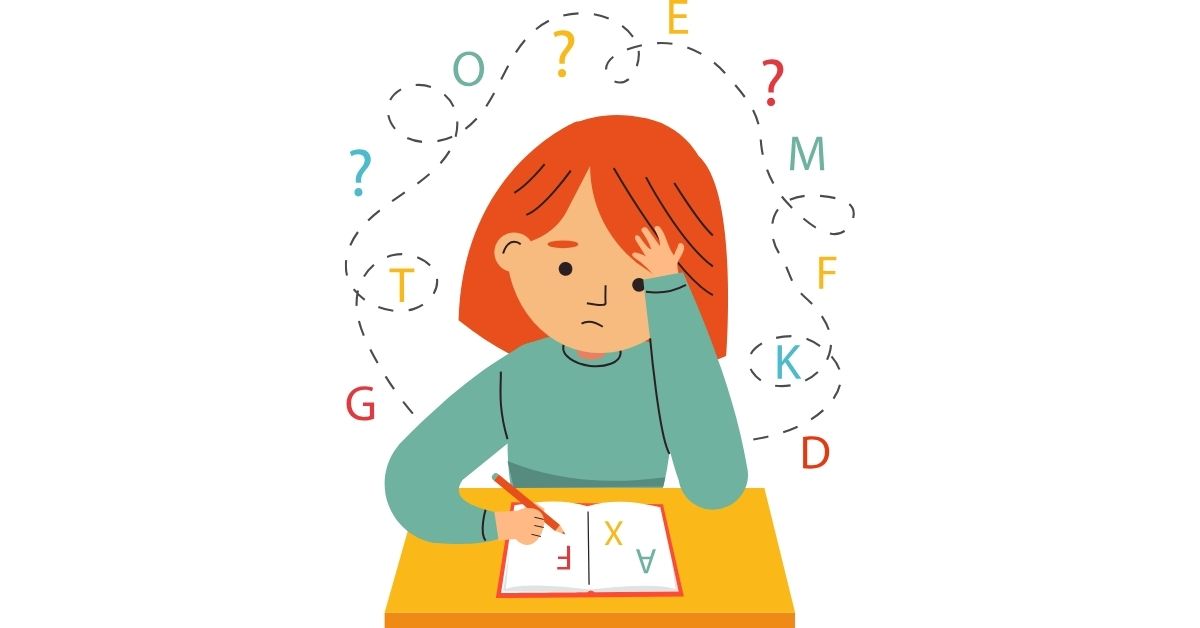
Students wake up without urgency. There is no syllabus to chase, no test to prepare for, no immediate metric of progress. What many feel is not relief, but confusion. A strange sense of being unanchored.
This feeling is not weakness. It is the result of how education trains students to function.
How Exams Become the Only Source of Direction
Schools are excellent at creating short-term goals.
External Targets Replace Internal Direction
Students are told what to study, when to study, and how success will be measured. Over time, they stop asking what they want to learn.
The exam becomes the reason for effort. Not curiosity. Not growth. Not interest.
When that external target disappears, students are left without an internal compass.
Identity Built Around Performance Collapses
For many students, exams are not just tasks. They become identity markers.
“Good Student” vs “Bad Student”
Students are labeled early and repeatedly. Toppers, average, weak. These labels stick.
After exams, especially major ones, students feel a loss of identity. If they were defined by marks, what are they now?
This creates anxiety, not freedom.
Why Relief Quickly Turns Into Restlessness
The body relaxes before the mind does.
Adrenaline Has Nowhere to Go
Exam preparation keeps students in a constant state of alertness. Stress hormones stay high.
When exams end suddenly, there is a chemical and psychological drop. Fatigue, boredom, and restlessness follow.
Students mistake this crash for a lack of motivation. It is actually a recovery without guidance.
The Missing Skill: Transitioning Between Phases
Schools train students for exams, not for transitions.
No One Teaches “What Next?”
After exams, students are expected to:
- Decide future plans
- Choose careers or courses
- Stay productive without structure
But they were never taught how to design their own routines or goals.
So they drift. Waiting replaces acting.
Comparison Makes the Feeling Worse
Post-exam periods are socially loud.
Everyone Else Seems Ahead
Some students announce results, plans, coaching enrollments, or achievements. Others stay silent.
Silence starts feeling like failure.
Students forget that confusion during transitions is normal. They assume everyone else has clarity, even when most don’t.
Why “Enjoy Your Break” Advice Misses the Point
Well-meaning adults often say:
- “Relax now”
- “You deserve a break”
- “Stop overthinking”
Rest is important. But unstructured time without purpose feels unsettling to students trained on constant direction.
The issue is not rest. It is the absence of meaning.
The Deeper Educational Problem
Exams are treated as endpoints instead of checkpoints.
Learning Stops When Testing Stops
When education revolves around exams, learning feels complete once they are over.
Students were never encouraged to:
- Explore interests
- Reflect on growth
- Identify skills gained
- Set personal learning goals
So when exams end, learning ends too.
What Actually Helps Students Regain Direction
Reflect Before Rushing Ahead
Students benefit from asking:
- What did I learn about myself during this phase?
- What was difficult? What improved?
- What skills did I unknowingly build?
Reflection turns closure into continuity.
Shift From Outcome Goals to Process Goals
Instead of “What result did I get?”, ask:
- What do I want to understand next?
- What skill do I want to build?
- What habit do I want to try?
This rebuilds internal motivation.
Gentle Structure, Not Immediate Pressure
Creating light routines, reading, projects, or exploration helps students transition without overwhelm.
Structure does not have to be strict to be stabilizing.
What Parents Often Misread
Parents sometimes interpret post-exam drift as laziness.
In reality, students are recalibrating. They are moving from externally controlled systems to uncertain freedom.
Support matters more than urgency.
Listening before advising makes a difference.
The Quiet Truth About Post-Exam Confusion
Students feel lost after exams because exams gave them direction that education never taught them to create for themselves.
The problem is not that exams ended.
The problem is that students were never trained to live beyond them.
When education helps students build internal goals, transitions stop feeling like voids.
They start feeling like beginnings.





Be the first one to comment on this story.