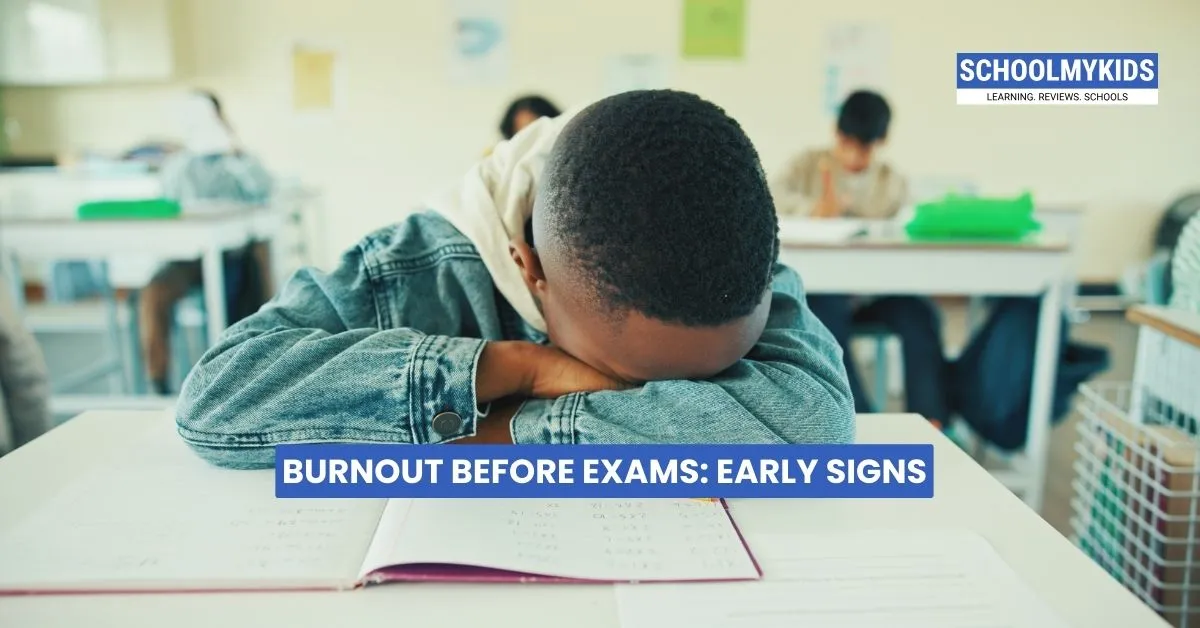
Why Burnout Often Begins Before the Pressure Peaks
Burnout is commonly associated with long study hours close to exams. In reality, it often begins much earlier. By the time students recognize they are exhausted, the process has usually been underway for weeks or even months.
Pre-exam burnout does not come from a lack of effort. It emerges when sustained pressure, high expectations, and poorly designed study routines combine without adequate recovery. Recognizing early signs is critical because burnout, once fully developed, is far harder to reverse during exam periods.
Emotional Changes That Signal Early Burnout
One of the first indicators of burnout is emotional shift rather than academic decline.
Students may feel persistent irritability, frustration, or emotional numbness. Activities that once felt manageable begin to feel heavy. Motivation becomes inconsistent, not absent, but unreliable. Small setbacks trigger disproportionate stress.
These emotional changes are often dismissed as “normal exam stress,” which allows burnout to deepen unnoticed.
Cognitive Warning Signs That Are Often Missed
Burnout affects thinking before it affects performance.
Students may experience difficulty concentrating, slower recall, or mental fog during revision. Tasks take longer to complete even when content is familiar. Decision-making becomes harder. Simple planning feels overwhelming.
This cognitive fatigue is frequently misinterpreted as laziness or distraction, leading students to push harder instead of recovering.
Physical Symptoms That Should Not Be Ignored
The body often signals burnout before the mind accepts it.
Common early physical signs include persistent tiredness despite sleep, headaches, changes in appetite, and disrupted sleep patterns. Students may rely heavily on caffeine or sugar to maintain alertness, creating further imbalance.
These symptoms are not signs of poor discipline. They are signs of prolonged stress without recovery.
Behavioral Patterns That Indicate Risk
Burnout subtly reshapes behavior.
Students may start avoiding subjects they previously handled well. Procrastination increases, followed by guilt-driven overwork. Study sessions become longer but less focused. Breaks feel undeserved and are rushed or skipped entirely.
This cycle accelerates exhaustion while creating the illusion of productivity.
Why High-Achieving Students Are Especially Vulnerable
Students who perform well academically often overlook early burnout signs.
They are used to pushing through fatigue and maintaining results. External praise reinforces endurance over sustainability. Admitting exhaustion feels like failure.
As a result, burnout in high-achieving students often goes unnoticed until performance collapses or emotional distress becomes unavoidable.
How Exam Culture Intensifies Burnout Risk
Exam-oriented systems amplify burnout by design.
Frequent testing, constant comparison, and rigid timelines leave little room for recovery. Rest is treated as a reward instead of a requirement. Students are encouraged to sacrifice sleep, balance, and mental health for short-term outcomes.
In such environments, burnout is not an exception. It is a predictable outcome.
What Early Intervention Actually Looks Like
Preventing burnout does not require drastic changes during exam preparation.
Early intervention focuses on restoring balance: reducing overload, prioritizing sleep, shortening study sessions, and reintroducing low-pressure breaks. It also involves reframing productivity from hours spent to clarity gained.
Most importantly, it requires permission to slow down without guilt.
The Role of Parents and Teachers in Early Detection
Adults often notice burnout signs before students do.
Withdrawal, mood changes, or constant exhaustion should be taken seriously. Pushing harder in response usually worsens the problem. Listening, reducing pressure, and helping restructure routines are far more effective.
Support works best when it focuses on sustainability, not urgency.
Why Ignoring Early Burnout Makes Exams Harder
Burnout does not disappear during exams. It intensifies.
Students who enter exam periods already depleted struggle to maintain focus, manage stress, and recover from mistakes. Anxiety increases, confidence drops, and learning capacity shrinks at the moment it is needed most.
Addressing burnout early preserves both performance and well-being.
The Core Reality Students Need to Understand
Burnout before exams is not a sudden breakdown; it is a gradual erosion of mental, emotional, and physical capacity. Early signs appear as irritability, cognitive fatigue, behavioral changes, and persistent exhaustion, long before academic failure is visible. Recognizing these signals and responding with rest, structure, and realistic pacing protects learning rather than weakening it. Preparing for exams should build readiness, not drain it, and addressing burnout early allows students to enter exam periods with resilience instead of depletion.








Be the first one to comment on this story.