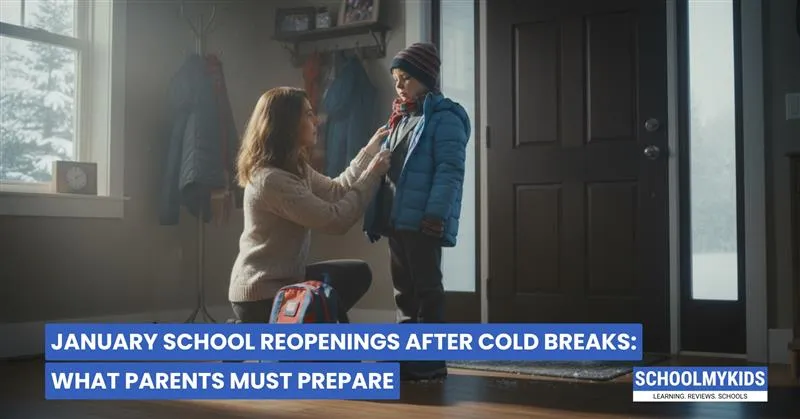
You've just enjoyed a peaceful few weeks with the kids at home, winter vacations are wrapping up, and now it's time to get back to the school routine. But this January, things are a bit different across India because of the severe cold wave that's been hitting northern, eastern, and northeastern states.
So, let’s talk about what's happening and how you can prepare your child for heading back to school after these extended winter breaks.
What's Actually Happening With School Reopenings?
Schools across India are reopening at different times depending on where you live and how cold it's been.
Most North Indian states like Delhi, Haryana, UP, Punjab, and Rajasthan are having their regular winter breaks, but many has extended them because of the extreme cold and dense fog. Delhi schools, for example, are closed from January 1-15, 2026. Haryana follows the same schedule.
In Uttar Pradesh, particularly in NCR areas like Noida and Ghaziabad, schools for younger kids (up to Class 8) are closed longer than usual. Many are reopening between January 6-10, depending on the district.
Eastern states like Jharkhand, Bihar, Assam, and Tripura also extended holidays due to temperature drops of 4-7°C below normal. Assam schools, for instance, were closed until January 6, while Tripura extended closures until January 10.
The coldest regions like Jammu and Kashmir, have much longer breaks. Schools up to Class 8 won't reopen until March 1, 2026, while Classes 9-12 will resume on February 22. This is normal for them because of the extreme winter conditions.
South Indian states like Tamil Nadu, Karnataka, Andhra Pradesh, and Kerala are mostly running on schedule since they don't face the same severe winter conditions.
Why Are These Closures Important?
We understand that it's frustrating when you don't know the exact reopening date. But these closures aren't random. The Indian Meteorological Department has been issuing advisories about severe cold waves, and authorities are genuinely concerned about children's safety.
Dense morning fog means poor visibility on roads. Extremely low temperatures can cause health issues, especially respiratory problems in young children.
What Parents Need to Do Right Now
Whether your child's school is reopening this week or next month, here's what you should be doing:
1. Confirm Your School's Reopening Date
Don't assume anything. School timings and reopening dates have changed multiple times in many states. Check:
- Your school's official WhatsApp group
- SMS or email notifications from the school
- The school's website
- Local district education department announcements
In places like Bhopal, schools didn't close completely but changed timings to 9:30 AM to protect kids from early morning cold. Your kid’s school might have done something similar.
2. Sort Out the Winter Warmer Situation
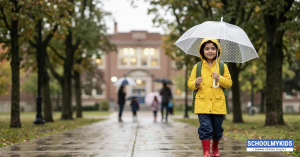
This is non-negotiable. The cold hasn't gone away just because schools are reopening.Make sure your child has:
- A proper winter jacket or sweater
- Woolen cap and gloves (especially for morning commutes)
- Warm socks
- A scarf or muffler to protect the neck and face
Check if their school uniform sweater still fits. Kids grow fast, and what worked in December might be too tight now.
3. Get the Health Basics Right
The cold wave has led to increased cases of cold, cough, and flu across northern India. Before sending your child back:
- If they've been sick during the break, make sure they're fully recovered
- Stock up on basic medicines (after consulting your doctor)
- Send them with a small hand sanitizer and tissues
- Make sure they understand basic hygiene: covering their mouth while coughing, washing their hands frequently
Don't send a sick child to school. You have work, and it might be inconvenient, but spreading illness in the classroom helps no one.
4. Adjust Sleep Schedules Gradually
If your child has been sleeping until 10 AM during the holidays, you can't expect them to suddenly wake up at 6 AM and be alert. Start adjusting bedtime and wake-up time at least 3-4 days before school reopens. Move it by 30 minutes each day. A well-rested child will cope better with the transition back to school.
5. Check Homework and Books
This sounds obvious, but many kids have left their holiday homework until the last minute. Check:
- Is the homework complete?
- Are notebooks covered and labeled?
- Do they have all the required textbooks?
- Is the school bag in good condition?
- Are water bottles and lunch boxes clean?
6. Prepare for Possible Schedule Changes
Even after reopening, things might not be completely normal. Some states are still monitoring weather conditions daily.
Be prepared for:
- Sudden holiday announcements on very cold days
- Changed school timings
- Possibility of online classes if the weather worsens
- Exams being rescheduled
Keep checking official notifications regularly.
7. Have a Warm Breakfast Ready
This isn't optional. A child going to school in cold weather on an empty stomach will struggle.
Warm options that work:
- Parathas with vegetables
- Poha or upma
- Oats with milk and nuts
- Dal khichdi
- Warm milk with a boiled egg
Pack a warm lunch too. Cold sandwiches might not be appealing when it's freezing outside.
8. Plan the Commute Carefully
If your child takes school transport, check with the service about their schedule. Buses might be running late due to fog.If you're dropping them:
- Leave earlier than usual because of possible fog-related traffic
- Make sure the car or two-wheeler has proper defoggers working
- Drive carefully, visibility is still poor in many areas during early mornings
For children who walk to school, accompany younger kids or ensure older ones are in groups, especially in foggy conditions.
9. Talk to Your Child About the Transition
Some children, especially younger ones, might be anxious about going back. The extended holiday meant more time at home, and suddenly that's changing.Talk to them about:
- What they're looking forward to (seeing friends, favorite subjects)
- Any worries they have
- Changes in routine that they need to be ready for
Don't dismiss their feelings. "It's just school" doesn't help a nervous child.
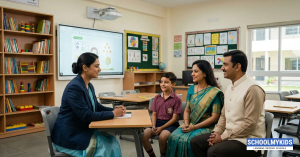
10. Stay Connected With Teachers
The first few days back will show how your child is adjusting. Teachers will notice if a child is:
- Having trouble concentrating
- Falling behind after the break
- Not dressed warmly enough
- Showing signs of illness
Stay in touch through the usual channels. If your child missed extra days due to illness, inform the school and ask about makeup work.
Conclusion
Getting your child back to school after this extended winter break doesn't have to be stressful. A little preparation, some practical planning, and staying updated with official information will make the transition smooth.
Focus on the basics: keep them warm, keep them healthy, keep their routine gradually adjusting back to normal. Check with your school about specific requirements or changes.


Be the first one to comment on this story.