Introduction
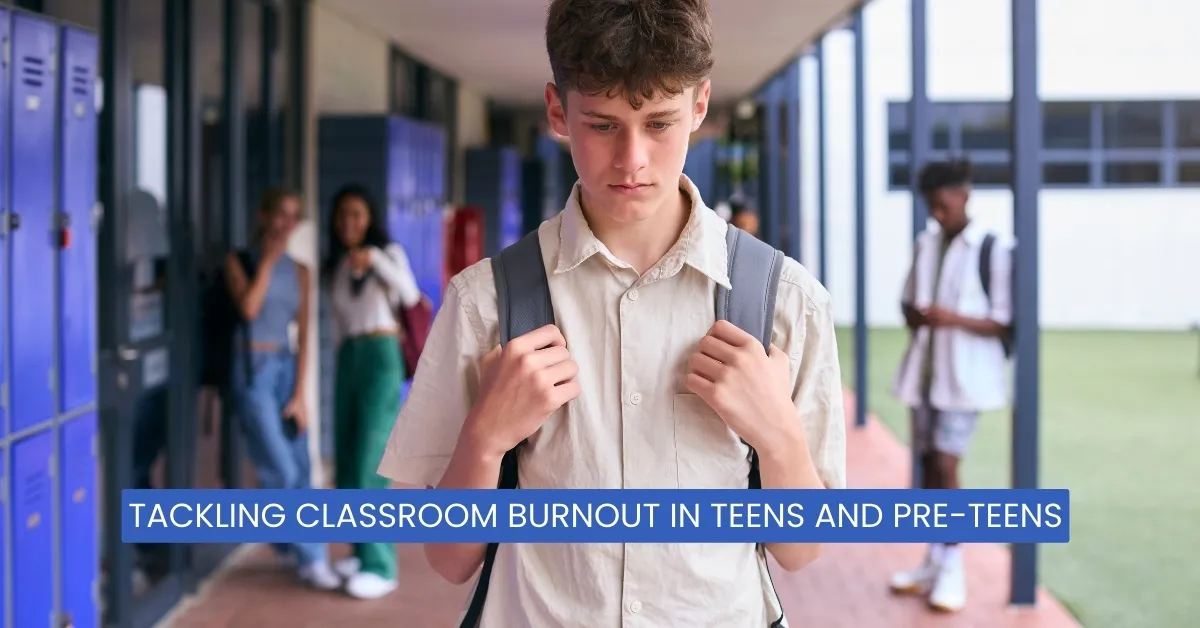
Classroom burnout is increasingly common among teens and pre-teens, driven by intense academic pressure, extracurricular demands, and social expectations. Unlike normal fatigue, burnout leads to chronic emotional, physical, and cognitive exhaustion that impairs learning and well-being. Early recognition and targeted interventions can prevent long-term effects like anxiety, depression, and disengagement from school.
Recognizing the Signs of Burnout
Burnout manifests through distinct symptoms that parents and teachers must identify promptly.
Physical Symptoms
- Chronic Fatigue: Teens feel exhausted despite adequate sleep, struggling to get out of bed or stay alert in class.
- Frequent Illness: Headaches, stomach aches, weakened immunity leading to colds, or muscle tension signal stress overload.
- Sleep Disruptions: Insomnia or excessive napping despite tiredness.
Emotional and Behavioral Signs
- Irritability and Mood Swings: Snapping at family, emotional outbursts, or sudden negativity toward once-enjoyed activities.
- Withdrawal and Apathy: Avoiding schoolwork, friends, or hobbies; loss of motivation and procrastination.
- Declining Performance: Slipping grades, poor concentration, forgetting assignments despite prior capability.
Cognitive Indicators
- Difficulty focusing, memory lapses, or feeling overwhelmed by simple tasks, often mimicking ADHD symptoms.
Root Causes of Classroom Burnout
- Academic Pressure: High-stakes exams, competition for grades, and overloaded schedules contribute to 60% of teens feeling intense scholastic stress.
- Social Factors: Bullying (affecting 40% of teens), peer pressure, and social media exacerbate emotional strain.
- External Demands: Extracurriculars, family expectations, and post-COVID learning gaps compound fatigue.
- Perfectionism and Fear of Failure: Especially in math/science, where poor performance heightens anxiety.
Prevention Strategies
For Parents
- Foster open communication about school stress without judgment.
- Model work-life balance and encourage downtime.
- Limit screen time and promote sleep hygiene (9-11 hours for teens).
For Schools and Teachers
- Implement balanced schedules with breaks and mental health check-ins.
- Offer stress management workshops and flexible assignments.
- Promote growth mindset to reduce fear of failure.
Daily Habits
- Regular exercise, mindfulness, and hobbies to build resilience.
- Nutritious meals and consistent routines stabilize mood and energy.
Intervention and Recovery
- Immediate Steps: Reduce workload temporarily, prioritize rest, and validate feelings.
- Professional Support: Counseling for underlying anxiety or tutoring for academic struggles.
- Long-Term Plans: Track progress with journals; celebrate small wins to rebuild confidence.
- Reintegrate activities gradually to avoid relapse.
Long-Term Impact and Hope
Untreated burnout risks chronic mental health issues, but early action yields recovery. Teens who address burnout often emerge more resilient, with better coping skills for future challenges. Schools adopting holistic approaches see improved attendance and performance.
Conclusion
Tackling classroom burnout requires collective vigilance from parents, educators, and students. By recognizing symptoms, addressing causes, and implementing supportive strategies, we can help teens and pre-teens reclaim joy in learning and maintain healthy development. Prioritizing well-being alongside academics creates thriving young minds ready for life's demands.






Be the first one to comment on this story.