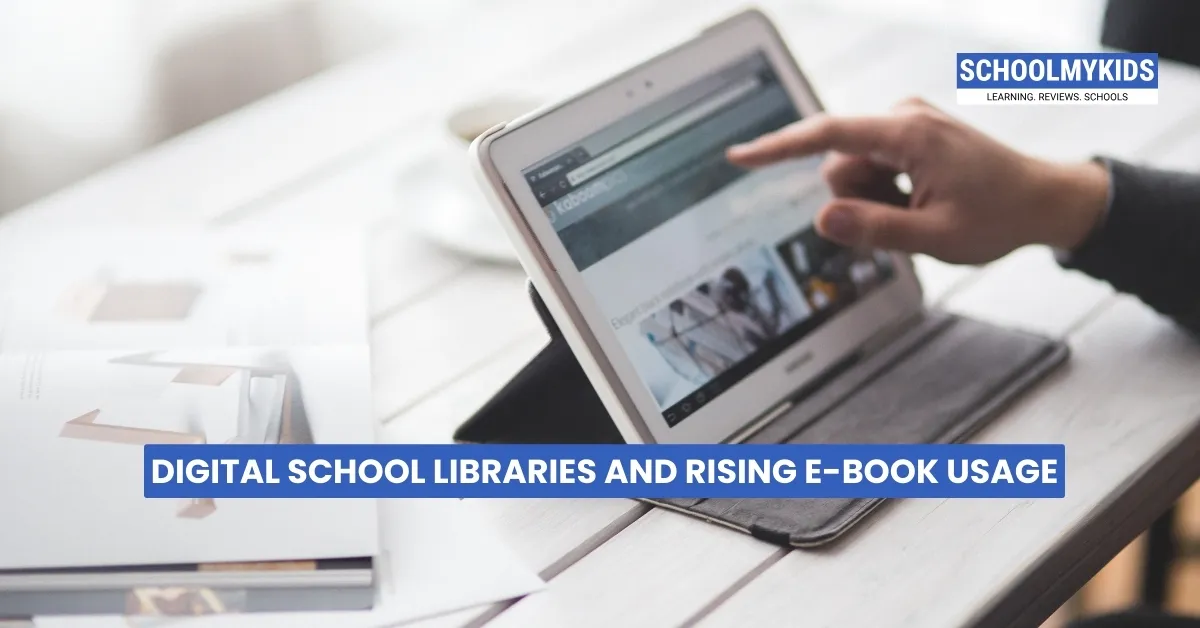
School libraries were once silent rooms with dusty shelves, limited copies, and fixed hours. Today, that model is being quietly rewritten. Digital school libraries and rising e-book usage reflect a deeper change in how students access knowledge, how schools manage resources, and how reading habits are evolving.
This shift is not about replacing books with screens. It is about removing barriers that traditional libraries have carried for decades.
Why Digital School Libraries Are Expanding
Physical Libraries Had Built-In Limits
Traditional school libraries struggle with:
- Limited copies of popular books
- Space constraints
- High replacement costs
- Restricted access hours
Digital libraries remove many of these constraints instantly. One e-book can serve hundreds of students at the same time.
Learning Is No Longer Time-Bound
Digital libraries allow students to:
- Access books anytime, anywhere
- Read during travel or at home
- Revisit material without waiting for availability
Learning stops being confined to school hours.
What Digital School Libraries Include
Academic Content
Most digital school libraries provide:
- Textbooks and reference books
- Supplementary readers
- Exam preparation material
- Subject-wise curated collections
This ensures continuity between classroom teaching and self-study.
Beyond Textbooks
Rising e-book usage is driven by access to:
- Fiction and non-fiction
- Biographies
- Age-appropriate magazines
- Research articles
This broadens reading habits beyond exam-centric material.
Why Students Are Adopting E-Books Faster
Convenience Over Tradition
Students prefer e-books because they:
- Are lightweight
- Allow quick searching
- Offer adjustable font sizes
- Support highlighting and notes
For many learners, especially older students, convenience outweighs nostalgia.
Alignment With Digital Learning
As classrooms adopt:
- Smart boards
- Online assignments
- Digital assessments
E-books naturally integrate into the learning ecosystem. Switching formats becomes seamless.
Impact on Reading Habits
Increased Access, Mixed Attention
Digital libraries increase reading access, but they also introduce distractions. Schools now face the challenge of:
- Encouraging deep reading
- Preventing superficial skimming
- Teaching digital reading discipline
Access alone does not guarantee engagement.
Support for Diverse Learners
E-books help:
- Students with visual strain through adjustable fonts
- Slow readers via bookmarking and revision
- Students with limited physical access to libraries
Digital formats quietly improve inclusivity.
Cost and Management Benefits for Schools
Lower Long-Term Costs
While initial setup costs exist, digital libraries reduce:
- Reprinting expenses
- Physical storage needs
- Book loss and damage
Over time, they are financially efficient.
Easier Updates and Curation
Schools can:
- Update collections instantly
- Align reading lists with curriculum changes
- Track usage and reading patterns
Library management becomes data-driven instead of guess-based.
Concerns Parents and Educators Raise
Screen Time Anxiety
The biggest concern is obvious. More e-books mean more screen exposure.
The real issue, however, is not screens but unregulated usage. Without clear guidelines, digital reading can blend into aimless device use.
Loss of Physical Reading Experience
Physical books encourage:
- Focused reading
- Reduced eye strain
- Emotional connection with text
Many schools are now adopting hybrid libraries, combining digital access with physical collections.
The Hybrid Library Model Is Emerging
The most effective schools are not choosing sides.
They are:
- Using digital libraries for access and scale
- Retaining physical books for younger students and deep reading
- Teaching students when to use which format
This balanced approach recognises that learning is not one-format-fits-all.
India’s Context: Opportunity With Caution
In India, digital school libraries:
- Expand access where physical libraries are weak
- Reduce regional content gaps
- Support multilingual resources
But challenges remain:
- Device availability
- Internet reliability
- Teacher training
Without addressing these, digital libraries risk benefiting only already-advantaged students.
The Bigger Shift Behind the Trend
Digital school libraries and rising e-book usage signal a mindset change:
Knowledge is no longer something students wait to access. It is something they are expected to reach independently.
This changes the role of schools from gatekeepers of content to guides of learning habits.
Conclusion
Digital school libraries are not killing reading. They are changing how reading happens.
When implemented thoughtfully, they:
- Expand access
- Encourage independent learning
- Modernise library systems
When implemented carelessly, they increase distraction and inequality.
The future of school libraries is not digital or physical.It is intentional.
And rising e-book usage will only be an advantage if schools teach students not just how to access information, but how to stay with it long enough to understand it.








Be the first one to comment on this story.