Introduction
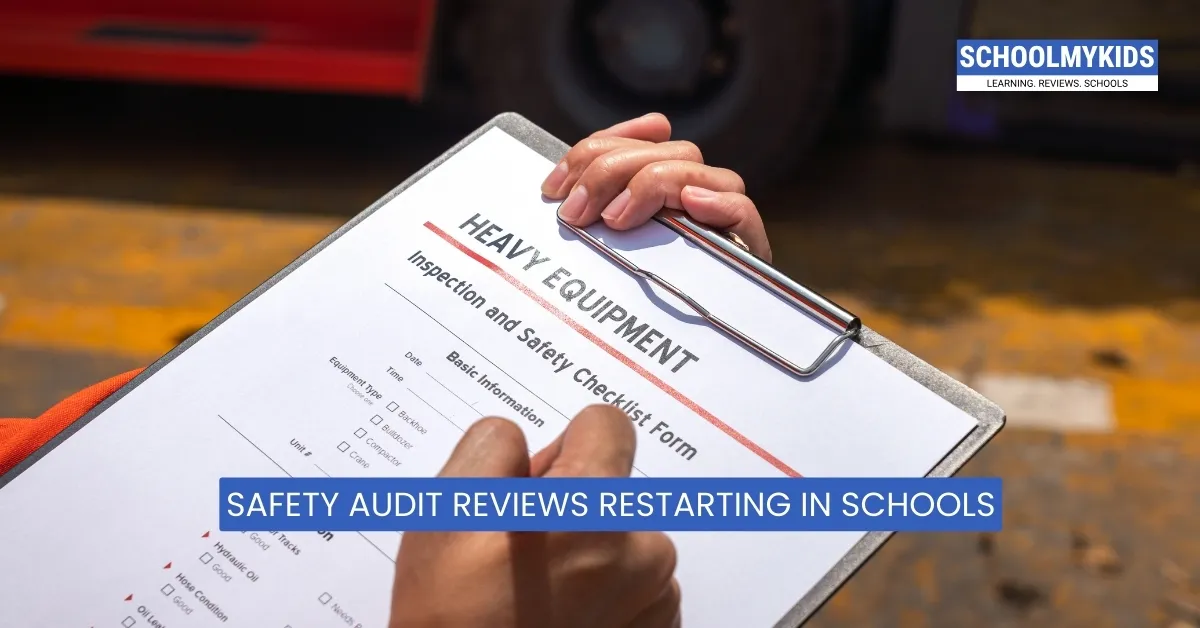
Following growing concerns over student safety and recent incidents highlighting vulnerabilities within school environments, safety audit reviews are restarting across various states and union territories in India. These audits aim to comprehensively assess and strengthen the physical infrastructure, emergency preparedness, and psychosocial safety measures in educational institutions.
The Rationale Behind Safety Audits
Recent tragedies, including structural collapses in schools, have underscored the urgent need for stringent safety checks. The Ministry of Education has mandated states and UTs to conduct regular and thorough safety audits to ensure that schools meet national safety codes and disaster management guidelines. The audits cover critical aspects such as building stability, fire safety, electrical wiring, emergency exits, and security protocols.
Comprehensive Audit Scope
- Physical Infrastructure: Assessment of building integrity, fire extinguishers, alarm systems, safe electrical fittings, and accessibility of emergency exits.
- Safety Preparedness: Evaluation of evacuation plans, staff and student training on first aid and emergency drills, and coordination with local authorities, including fire services and medical agencies.
- Psychosocial Safety: Examination of counselling services, peer support networks, mechanisms for reporting bullying or abuse, and programs promoting mental health and well-being.
Implementation and Accountability
Schools are required to engage certified audit agencies or government-designated engineering teams for inspections. Safety compliance reports must be submitted to education authorities within specified timelines, with ongoing monitoring and documentation enforced. A 24-hour incident reporting mechanism has been established to ensure swift action in case of hazards or near misses.
Community and Stakeholder Involvement
The success of safety audits depends on active participation from school management committees, parent-teacher associations, local law enforcement, and health departments. Regular safety walks, mock drills, and feedback forums involve the entire school community, fostering a culture of vigilance and accountability.
Expected Outcomes
- Safer Learning Spaces: Schools meeting rigorous safety standards reduce risk of accidents and emergencies.
- Enhanced Preparedness: Trained staff and students are better equipped to respond to crises, minimizing harm.
- Improved Trust: Transparent audits and community engagement build confidence among parents and stakeholders in school safety measures.
- Regulatory Compliance: Ensures schools align with national policies like the National Education Policy (NEP) 2020 and National Disaster Management Authority (NDMA) guidelines.
Conclusion
The resumption of safety audit reviews marks a critical step towards safeguarding students’ physical and emotional well-being in schools. By institutionalizing regular, transparent, and participative safety practices, educational authorities aim to create secure environments conducive to learning and growth. This renewed focus on school safety reflects a broader commitment to quality education and child protection in India.






Be the first one to comment on this story.