Why Learning Pods Are Expanding in Cities
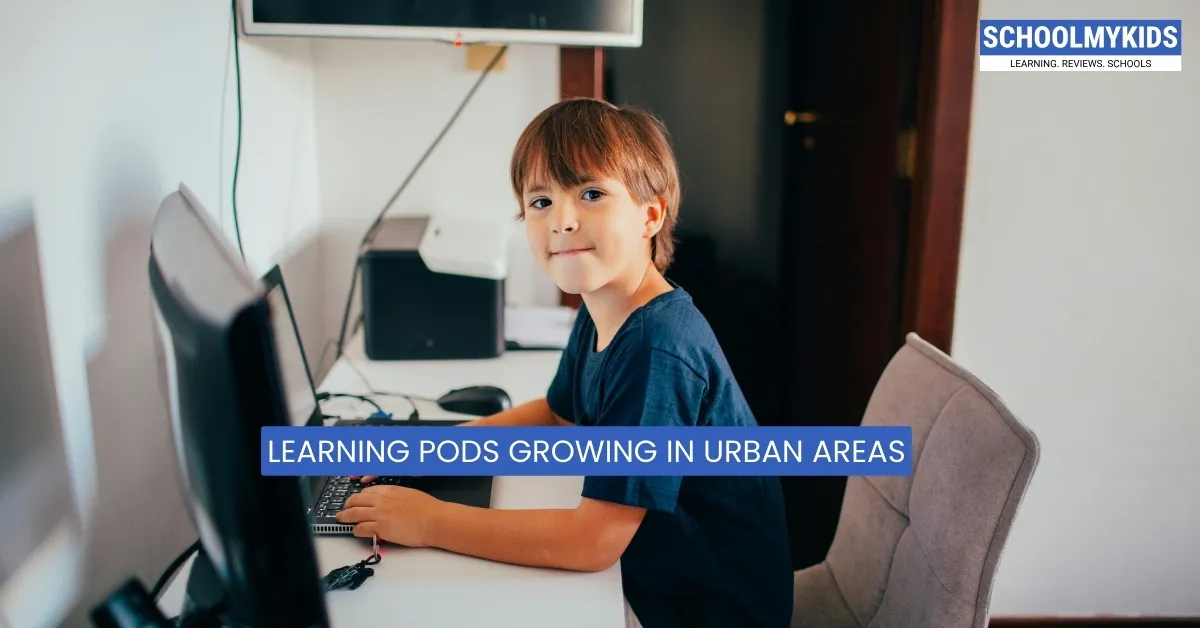
In urban areas, families are increasingly turning to learning pods. Small groups of children learning together, often guided by a tutor, parent, or facilitator. Sometimes at home. Sometimes in shared spaces. Sometimes alongside formal schooling.
This shift did not begin as an experiment. It began as a reaction.
Large classrooms, rigid pacing, overstretched teachers, and rising academic pressure have made many parents feel their children are either getting lost or being pushed too hard. Learning pods emerge where trust in one-size-fits-all schooling weakens.
They are not a rejection of education. They are an attempt to personalize it.
What Learning Pods Actually Are
Not Homeschooling, Not Traditional School
Learning pods sit in between. They are structured but flexible. Social but small. Academic but less standardized.
Most pods involve:
- 4 to 8 students
- Shared learning goals
- Custom pacing
- Regular interaction and discussion
Some pods supplement school. Others replace parts of it. The structure varies, but the intent is consistent: smaller groups, more attention.
Why Size Changes Everything
In small groups, students cannot disappear. Questions surface faster. Confusion is noticed earlier. Learning becomes conversational instead of performative.
For many children, this environment feels safer than large classrooms where silence becomes a survival strategy.
Why Urban Families Are Leading This Shift
Density Makes Coordination Easier
Cities make pods easier to form. Families live closer. Similar academic concerns cluster together. Shared resources reduce individual burden.
Urban parents also tend to have greater exposure to alternative education models, making experimentation feel less risky.
Pressure Is Higher in Urban Schooling
Competition, rankings, and early comparison are more intense in cities. Parents see burnout earlier and want buffers.
Learning pods feel like a way to slow learning down without falling behind.
What Learning Pods Do Well
Personalization Without Isolation
Unlike solo tutoring, pods retain social learning. Students learn from peers while still receiving individual attention.
This balance helps children who need support but do not want to feel singled out.
Confidence Builds Faster
In smaller groups, students speak more. They test ideas. They make mistakes without fear of embarrassment.
Confidence grows not from praise, but from participation.
Flexible Learning Styles
Pods adapt faster than institutions. Visual learners, discussion-based learners, and hands-on learners all benefit from this flexibility.
The learning adjusts to the child, not the other way around.
The Hidden Risks of Learning Pods
Inequality Can Widen
Pods often require money, time, and parental involvement. This creates access gaps.
When personalization becomes privatized, systemic problems remain unsolved.
Pods fix experiences for some, not structures for all.
Quality Depends on the Facilitator
Not all pods are well-run. Poorly planned pods can lack academic rigor, continuity, or developmental balance.
Smaller does not automatically mean better.
Social Narrowing Is a Risk
If pods become too homogeneous, students lose exposure to diverse perspectives.
Education should expand worlds, not shrink them.
How Schools Are Responding
Resistance and Adoption
Some schools see pods as threats. Others collaborate by allowing hybrid models or pod-aligned curricula.
Resistance often comes from fear of losing control rather than concern for learning.
Lessons Schools Should Learn
Learning pods reveal what students crave:
- Attention
- Flexibility
- Psychological safety
- Voice
Schools that ignore these signals will continue losing trust.
What Parents Should Consider Before Joining or Creating a Pod
Purpose Before Structure
Parents should ask:
- What problem is this pod solving?
- Is it academic, emotional, or social?
- How will progress be tracked?
Without clarity, pods become expensive babysitting.
Balance Matters
Pods should complement, not consume, a child’s life. Play, independence, and unstructured time still matter.
Over-optimization creates new stress.
A More Structured Closing
Learning pods are not a trend born from novelty. They are a response to overcrowded systems and unmet individual needs. Their growth in urban areas reflects a desire for learning environments where children are seen, heard, and supported.
Pods work best when they prioritize understanding over acceleration and inclusion over exclusivity. They should challenge schools to evolve, not replace them quietly. If learning pods remain tools for personalization rather than escape, they can improve education. If they become symbols of inequality, they will only mirror the problems they were meant to solve.





Be the first one to comment on this story.