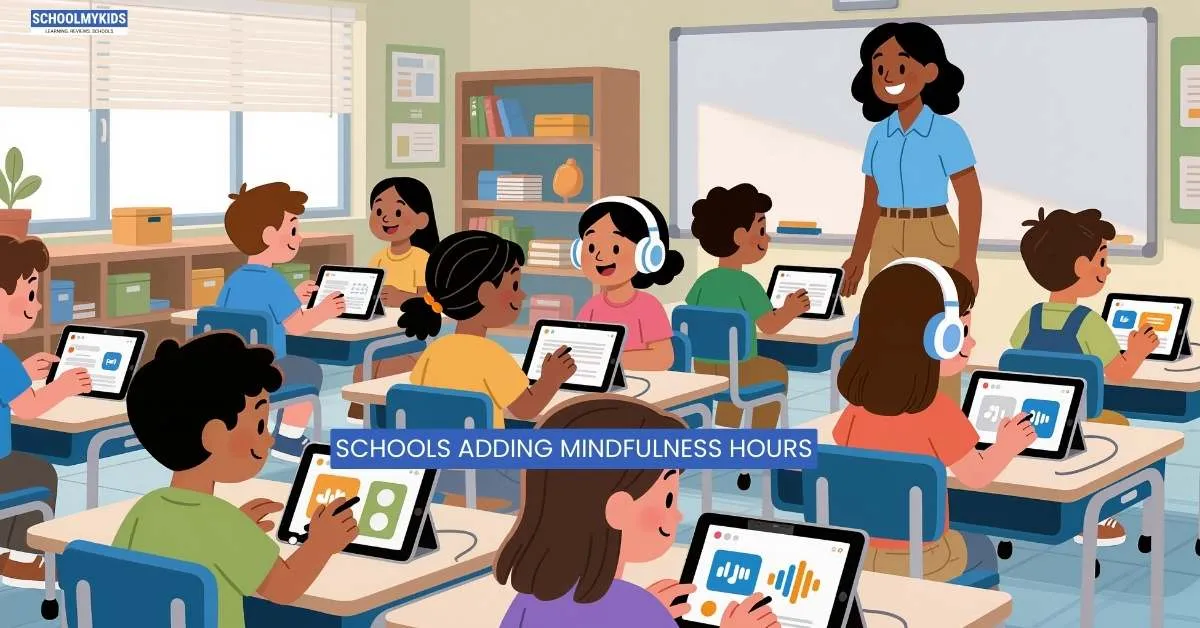
When Mindfulness Goes From Trend to Classroom
Mindfulness in schools has moved from being a fringe idea to a checklist item. Schools announce “mindfulness hours” as if scheduling a period automatically transforms students’ minds.
The intent is good: chronic stress, anxiety, and burnout among students are real problems. But treating mindfulness like another subject often misses the root causes of stress and, in the worst cases, turns it into a band-aid over deeper system flaws.
So why are schools adding mindfulness hours, and does it help?
The Promise of Mindfulness
Mindfulness is about paying attention to the present moment without judgment. For students, it promises:
- Reduced anxiety
- Better emotional regulation
- Improved focus
- Less reactivity under stress
These are not trivial. Students under constant academic pressure need tools to manage their internal experiences.
Why Schools Think Mindfulness Helps
The Mental Load of Schooling Is Real
Today’s students juggle dense syllabi, frequent tests, homework, co-curricular expectations, and comparisons. This sustained pressure triggers stress responses that do not switch off easily.
Mindfulness offers tools to calm the nervous system. It teaches students to notice thoughts without being overwhelmed by them.
In principle, this is useful.
It Signals That Emotional Health Matters
When a school formally allocates time for well-being, it sends a message: students matter beyond marks. That message is valuable — if it’s more than symbolic.
Why Scheduling Mindfulness Hours Alone Often Fails
Here’s the uncomfortable part. Adding mindfulness hours as a slot on the timetable does not automatically make students calm, focused, or resilient.
It Treats Symptoms, Not Causes
Stress in students mostly comes from:
- Heavy academic workloads
- Fear of failure
- Competitive classroom climates
- Lack of psychological safety
Mindfulness does not remove these stressors. It gives students tools to cope with them. That’s useful, but not sufficient.
So mindfulness can feel like “stress management training” while stress itself stays the same.
Practices Without Context Feel Hollow
Students often experience mindfulness sessions like:
- Sit quietly for 10–15 minutes
- Close your eyes
- Breathe
Without explaining why this matters or how it connects to real moments (like tests, conflicts, fear of judgment), it feels like an extra chore, not support.
One Hour a Week Isn’t Enough
If mindfulness is only allocated once a week, its impact is limited. Skills like attention regulation and emotional reflection need repeated, integrated practice.
Isolated hours become token gestures.
When Mindfulness Actually Works
Mindfulness can be helpful — but it must be built into the culture, not just the schedule.
Integrated Practice Beats Isolated Sessions
When mindfulness principles show up in:
- Classroom transitions
- Test preparation routines
- Reflection activities
- Conflict resolution
students start seeing them as tools, not bells.
For example:
- Before a quiz, students pause and focus on breathing
- After a heated discussion, they reflect instead of reacting
- During difficult concepts, they learn to notice frustration and reset
This application matters more than repetition without purpose.
Teaching Skills, Not Scripts
Students need explanations like:
- What does stress feel like physiologically?
- How does attention drift?
- How do thoughts shape emotion?
- How can you use breathing before panic?
Otherwise, mindfulness becomes a ritual without understanding.
Safe Spaces Matter More Than Quiet Minutes
Mindfulness works best when the environment supports emotional authenticity:
- Teachers acknowledge tough days
- Mistakes are not punished socially
- Students feel heard
Without this, students learn to “zone out”, not heal.
The Risk of Mindfulness Becoming a Band-Aid
Schools can fall into a trap:
Add mindfulness → solve stress
That’s too simplistic.
If the system continues:
- Rewarding performance above all else
- Punishing visible struggle
- Prioritizing speed over depth
Then mindfulness becomes a coping skill for students to endure dysfunction, not to transform it.
This is not mindfulness failure. It is a structural failure.
What Parents Should Know
Good intentions are not enough.
Parents should ask:
- Is mindfulness linked to real emotional support services?
- Are students showing improvements in stress, not just attendance?
- Are teachers trained in facilitating psychological safety?
Asking these shows whether the school is performing mindfulness or practicing well-being.
What Schools Can Do Better
Tie Mindfulness to Everyday Stressors
Make it relevant. Not just “sit quietly,” but:
- Mindful listening
- Mindful reflection after conflict
- Mindful study transitions
- Noticing thoughts without judgment
Train Teachers, Not Just Students
Teachers need to understand the practice to model it genuinely.
Measure Impact
Are students sleeping better? Responding less reactively? Managing anxiety before tests? These are real measures, not attendance numbers.
The Quiet Truth About Mindfulness in Schools
Mindfulness has value. It can be transformative. But when it is treated like another subject to be scheduled, it becomes cosmetic.
Real change comes when mindfulness becomes a lens through which learning and life are approached, not a slot between maths and history.






Be the first one to comment on this story.