Introduction
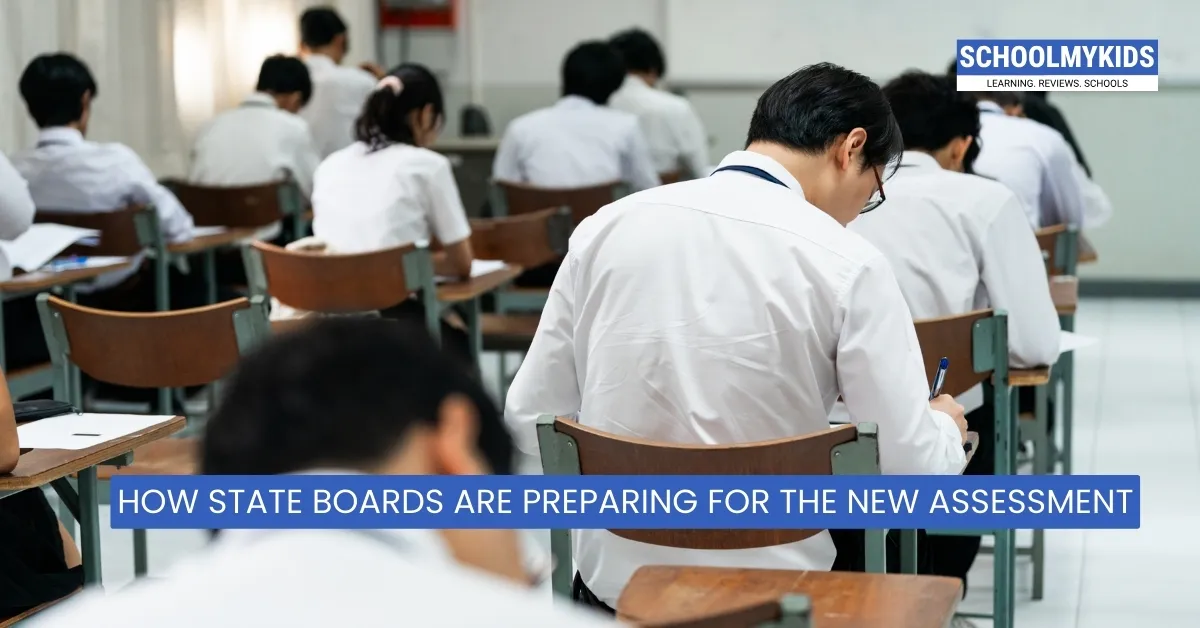
State education boards across India are actively preparing for major reforms in student assessment methods in 2025. These changes align with the National Education Policy (NEP) 2020’s vision of holistic, competency-based learning and evaluation, moving away from traditional rote memorization and high-stakes exams towards continuous, formative, and comprehensive assessments. This article explores how state boards are adapting their examination frameworks, preparing students, and supporting educators for this transition.
Overview of New Assessment Framework
Shift to Competency-Based and Formative Assessment
State boards are incorporating both formative (ongoing) and summative (end-of-term) assessments to provide a more rounded picture of student progress. Formative assessments include project work, group discussions, peer assessments, portfolios, and classroom activities, emphasizing skills like critical thinking and problem-solving over rote learning.
Weightage Distribution Changes
The new frameworks progressively balance formative and summative marks from Classes 9 to 12, with higher weightage on formative assessments in lower classes. For example, Class 9 may have 7% formative and 30% summative, while Class 12 moves towards 30% formative and 70% summative, promoting consistent skill development over time.
Multiple Opportunities and Best-Of-Two Attempts
Many boards are implementing policies where students have two chances to appear for board exams—one primary and one improvement opportunity—reducing pressure and encouraging mastery.
Initiatives by State Boards
Syllabus and Study Material Updates
Boards are collaborating with educational experts to update syllabi and provide comprehensive, accessible study materials that focus on conceptual understanding. Study guides, sample papers, and previous question papers are made available online to help students adapt to changed exam formats.
Teacher Training and Capacity Building
Extensive teacher training programs are being conducted to familiarize educators with new assessment techniques, including classroom-based assessments and the use of assessment tools for continuous evaluation. This equips teachers to guide students effectively and maintain consistency in grading.
Use of Digital Platforms
State boards are adopting digital technologies to facilitate exam registration, timetable announcements, internal assessment submissions, and result processing. Some boards are piloting IT-based tracking systems to monitor student progress and support data-driven decision making.
Preparing Students for the Transition
Awareness and Guidance
Students and parents are being informed about the changes through workshops, webinars, and counseling sessions. Boards provide clear guidelines on exam patterns, assessment criteria, and preparation strategies adapted to new formats.
Practice and Mock Tests
Boards encourage solving previous years' question papers and mock tests that mirror competency-based exam patterns. These exercises help students build confidence and manage time effectively during exams.
Focus on Holistic Development
Students are encouraged to develop soft skills, collaboration, and creativity through project work and group learning, aligning academic success with overall personality growth.
Challenges and the Way Forward
While reforms promise a more balanced and enriching education experience, challenges remain, including equitable access to resources across rural and urban areas, ensuring uniform implementation, and training a large teaching workforce. State boards are continuously working with central agencies and local schools to address these challenges.
Conclusion
State boards in India are embracing assessment reforms comprehensively to align with the NEP 2020 vision. By redefining evaluation practices to balance formative and summative assessments, integrating technology, and focusing on teacher and student preparedness, these boards are paving the way for education that prioritizes learning, skills, and holistic development. The transition represents a significant step toward modernizing education and preparing students for the demands of the 21st century.






Be the first one to comment on this story.