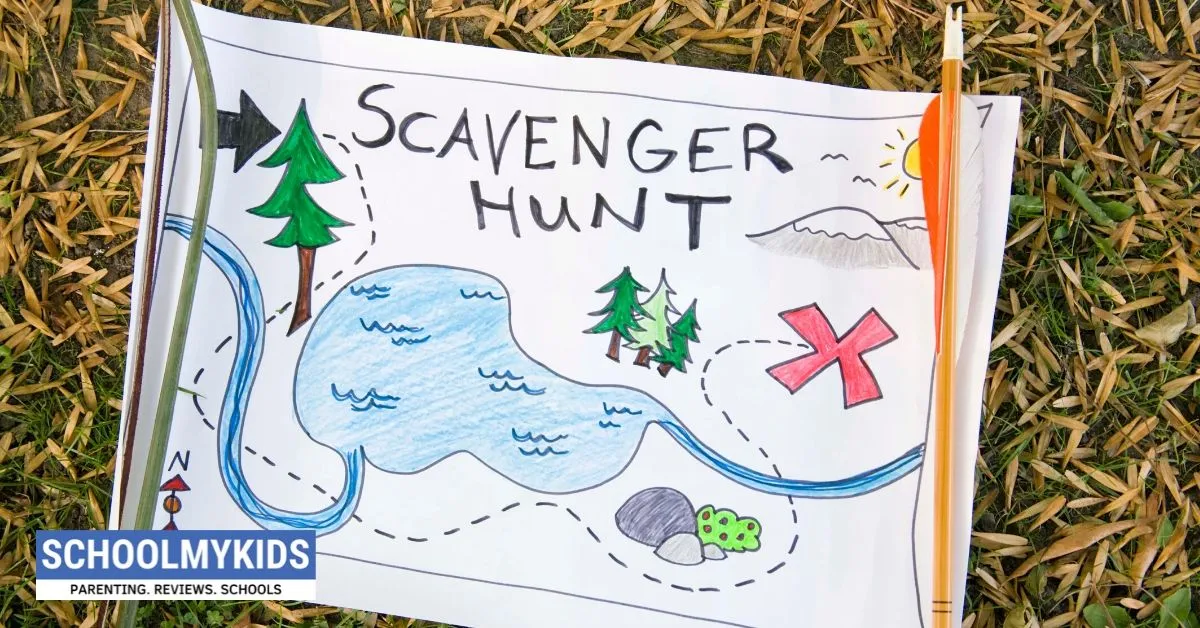
We never outgrow
our love and the sense of adventure for a good scavenger hunt. Soon after we
learn how to walk, we’re falling over each other looking for candy hidden in
the backyard at our friend’s birthday parties. Or frantically following a
hand-drawn map, wandering through the house or the backyard, searching for the
prize before your brother finds it. Then later in life, after learning how to
read, following cryptic clues to reveal the final prize. And the fun doesn’t
stop as kids. For adults, there are scavenger hunts used for corporate ice
breakers, for tourists visiting a new city, or as my wife recently shared with
me, for university orientations. There are even scavenger hunt apps.
Scavenger hunts
are also a great way to occupy kids stuck at home during Coronavirus lockdown.
I thought I would share some of the ideas we’ve used to create hunts for our
daughter. I’ve also included a few tips I’ve learned along the way. While a
scaled-down scavenger hunt is great at home, think about how you might use a
scavenger hunt for your kid’s next birthday party, office team-building
retreat, or family reunion.
7 Tips for Creating an awesome Scavenger Hunt for Kids
Tip #1 Choose A Scavenger Hunt That Best Fits the Age of the Kids
This is our most important tip. Know your audience. Depending on the age of your players, some scavenger hunts will work better than others. To know more you can also read my other article on Best Scavenger Hunt Ideas for Kids.
All of these
variations of a scavenger hunt are great for kids with older siblings. Once
everyone gets the hang of the game, the older sibling can play your role while
you get something finished on your to-do list. Another twist on all of these
activities is that it’s only a matter of time before your kid will want to organize
a scavenger hunt for you.
Tip #2 Choose a Theme
For many of us
parents, a Saturday afternoon scavenger hunt after nap time doesn’t necessarily
require a theme. Or maybe it does! Here are a few examples of scavenger hunt
themes to get the ideas flowing:
A superhero-themed scavenger hunt. Just Google your kid’s favorite superhero and scavenger hunt then check out your options.
A nature scavenger hunt. This is one of my favorites. Provide your players a check list of items like, a red flower, a cricket, a squirrel. If your kid is old enough to use a camera, consider letting them take pictures of the objects they find.
A vacation scavenger hunt. There are general scavenger hunts for road trips, hotel stays, and what you see just walking around a new town. In addition, explore the internet for scavenger hunts available for the specific place you are vacationing.
A seasonal scavenger hunt. These would be scavenger hunts focused on a particular season of the year.
A holiday-based scavenger hunt– Diwali, Christmas, Halloween, pick a holiday!
Tip #3 Don’t Over Think the Prizes
As long as the
prize is age-appropriate, don’t overthink the prize. Here are a few
considerations when picking out prizes:
There is no need to spend a lot of money on prizes. Most of the fun comes from looking for the clues. For small scavenger hunts at home, recycled toys or a healthy snack make great prizes.
Consider having prizes for second or third place. Or even better, some kind of reward for everyone at the end.
If you are creating a theme-based scavenger hunt, pick a prize that fits your theme. For example, if your theme is a pirate birthday, then it’s a black eye patch for everyone!
For a teen scavenger hunt, consider a small cash prize or movie tickets.
For the adult-themed scavenger hunt, a gift certificate or bottle of wine will do.
Tip #4 Have the Kids Create Their Own Scavenger Hunt
As the kids become
more familiar with whichever type of scavenger hunt you are using, before
changing it up, a great tip is to ask the kids to plan a scavenger hunt for you
or their friends. Deciding on clues, drawing a map, planning a route, are all
good skills for them to practice while having fun.
Tip #5 Adjust the Scavenger Hunt to Your Needs
There are no set
rules for a scavenger hunt. Think through what kind of event you are planning and
adjust the scavenger hunt accordingly.
It can be done day or night.
It can be done inside, outside, at the local park, on a road trip, or an icebreaker at work.
It can be modified to accommodate several players.
It can be adjusted to accommodate kids and adults.
One last tip, check out the internet for inspiration and examples. One site I visit for ideas and premade clues is the Pinterest. Check it out, you can’t go wrong!
Tip #6 General Tips to Consider
Before starting a scavenger hunt, let the players know how the quest will end. Also, let the players know where to meet after the hunt.
If you have several teams or individual players, enroll the help of other adults and teens to help you manage the hunt and lead groups if necessary.
If you have several teams or players, change up the order of the clues, so everyone is not going to the same clue at the same time.
Set a time limit for the hunt.
Review the rules before starting the hunt. If it’s not safe for the kids to run, remind them beforehand.
Tip #7 There’s Probably an App for That
Yes, there is. Here are three well-reviewed apps for adults kids that incorporate the thrill of a scavenger hunt: GooseChase, GeoCaching, and Let’s Roam.
Benefits of a Scavenger Hunt
There are so many benefits to a good scavenger hunt including teamwork, critical thinking, problem-solving. One of the best features of the scavenger hunt is your ability to customize the activity to your needs. While many of us are still under lockdown because of the Coronavirus, we can always organize a hunt at home, in the back yard, or a local park if safe. If you have any tips or examples of scavenger hunts you’ve recently planned, please share in the comments below.