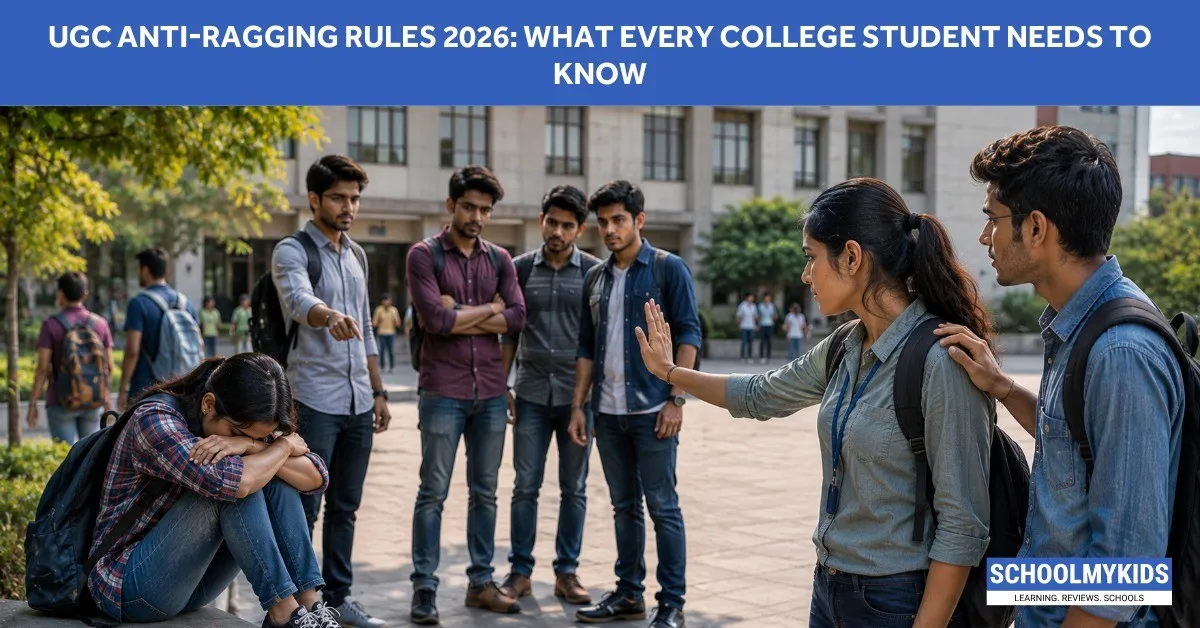
You got admission. College sent a bunch of documents to fill out. One of them is the anti-ragging affidavit. Probably buried between accommodation forms and library rules.
You might’ve glanced at it and thought, “This is just standard paperwork.” It’s not.
UGC continues to enforce the 2009 Regulations strictly. Every student in higher education must submit an online anti-ragging undertaking (with parental confirmation) on antiragging.in before the academic session begins. Your parents have to confirm it too.
This isn’t new paperwork. The anti-ragging rules have existed since 2009. But UGC just got serious about enforcing them. In June 2025, UGC issued show-cause notices to 89 higher education institutions, including several IITs and IIMs. These are among the most respected institutions in India. UGC named them publicly for failing to submit mandatory student undertakings and institutional compliance reports.
That’s the shift. What used to be paperwork many students ignored is now something institutions are actively monitored for.
What Exactly Counts As Ragging (It’s Not Just Physical)
Most students think ragging is older kids beating up freshers. That’s one type. But it’s way broader now.
Physical ragging: Hitting, slapping, forcing someone to do push-ups. That’s ragging.
Spoken ragging: Verbal abuse. Name-calling. Humiliating someone through words. Comments about their caste, religion, region, appearance, background. That’s ragging.
Written ragging: Posting something mean about someone on campus WhatsApp groups. Spreading rumors in group chats. Writing derogatory comments. That’s ragging.
Digital ragging: This is the new frontier. Tagging someone in mean memes on Instagram. Sending offensive messages on Snapchat. Creating a fake Instagram account to mock someone. Creating a group specifically to target someone. That’s all ragging.
The definition is simple: Any conduct, spoken, written, physical, or digital, that harasses, humiliates, intimidates, or causes mental or physical harm to a fresher or junior student.
The definition covers any such conduct. Your college WhatsApp group making fun of how someone talks? Ragging. Tagging a fresher in a meme that humiliates them? Ragging. Forcing someone to copy your assignments as a “joke”? Ragging.
The Affidavit You Thought Was Useless Actually Has Real Consequences
When you sign the anti-ragging undertaking, you’re legally stating you understand what ragging is and you won’t participate in it.
If your college finds out you ragged someone, this affidavit can be used against you. You literally signed your name saying you wouldn’t do this.
The affidavit isn’t just for students, though. Your parents sign it too. They’re confirming they know what ragging is and they know their child will face consequences if they participate.
That signature matters legally. It’s not just paperwork.
What Your College Is Actually Supposed To Do (And Whether They’re Doing It)
UGC mandated that every college must have:
Anti-Ragging Committee: Made up of faculty, senior students, and counselors. Their job is to investigate complaints and make sure the anti-ragging squad actually works.
Anti-Ragging Squad: Students (preferably seniors) who patrol hostels, common areas, bus stands, anywhere freshers might be vulnerable. Their job is to catch ragging and stop it.
Internal Complaints Committee (ICC): For complaints related to sexual harassment and exploitation.
Equal Opportunity Cell: For complaints based on caste, religion, gender, disability.
Grievance Redressal Cell: General complaints about campus issues.
CCTV Cameras: In hostels, common areas, outside bathrooms (privacy maintained), dining areas.
Counseling Services: Mental health support for students, especially those dealing with ragging trauma.
Surprise Hostel Inspections: Random checks by committees to catch ragging happening.
Most colleges have these committees on paper. Whether they actually function is another thing.
Your job: Know who these committees are at your college. Know how to contact them. Because if something happens, you need to know who to report to.
Your Rights As A Student (This Is Important)
You have the right to:
A ragging-free campus environment
Report ragging without fear of retaliation
File complaints confidentially if you want
Get your complaint investigated properly
Know the progress of your complaint
Support services like counseling
Not face discrimination based on caste, religion, gender, disability
Free and fair admission process
The college cannot deny you admission or any facility because you reported ragging. That’s illegal retaliation.
If you’re bullied or threatened after reporting ragging, that’s actually a more serious offense than the ragging itself.
What Happens To Someone Who Rags
This isn’t “get a warning, and it’s over.”
Institutional punishment:
Suspension from college
Expulsion from college
Fine (can be substantial)
Community service
Damage to academic record
Legal consequences:
Ragging is treated as a criminal offence. Depending on the specific acts, cases can be registered under relevant sections of the Indian Penal Code (now Bharatiya Nyaya Sanhita) such as wrongful restraint, wrongful confinement, criminal intimidation or causing hurt.
Penalties vary by the offence and can include imprisonment and fine. Under the 2009 Regulations, institutions can also impose fines ranging from Rs 25,000 to Rs 1 lakh.
For seniors/leadership:
If you’re in a hostel leadership position and ragging happens on your watch, the college considers it your responsibility. Negligence by authorities is treated as abetment of ragging.
For parents:
Parents sign the undertaking confirming they understand the rules and the consequences their child will face if found guilty of ragging.
This is serious. A finding of ragging can go beyond college suspension and into criminal proceedings.
How To Actually Report Ragging (When And How It Works)
National Anti-Ragging Helpline:
1800-180-5522 (24/7, toll-free)
Anyone can call. You. Parents. Teachers. Anonymous calls accepted.
Online portal:
antiragging.in - You can file complaints online here.
Your college Anti-Ragging Committee:
Contact details should be on your college website. You can report directly to them.
Campus security:
If something is happening right now, go to campus security first.
FIR:
If the college doesn't act, you can file an FIR with police under the relevant sections of the Indian Penal Code (now Bharatiya Nyaya Sanhita) that cover the specific acts involved, for example, wrongful restraint, criminal intimidation or causing hurt.
How the system works:
You file a complaint (to the helpline, portal, or committee)
The committee investigates
If ragging is confirmed, disciplinary action happens
The complainant is kept updated
If not satisfied, escalate to the Centre for Youth (C4Y), the UGC monitoring agency
The centre tracks every complaint until the victim confirms resolution. This is actually monitored now.
The Reality Check (Why This Matters More Now)
UGC sending show-cause notices to IITs and IIMs in June 2025 changed everything. Those institutions have money, reputation, and influence. If UGC can hold them accountable, no college is safe from oversight.
The consequences for non-compliance by colleges:
Public naming (your college gets listed as non-compliant)
Funding cuts
Possible derecognition (college loses official status)
That last one is catastrophic for a college. So suddenly, compliance became urgent.
Also, in the 2026-27 session, every student filing an affidavit creates a record. Every college is supposed to upload compliance reports to antiragging.in. UGC has visibility. They can see which colleges actually investigate complaints and which colleges sweep things under the rug.
What You Actually Should Do Right Now
File your affidavit properly: Don’t just sign it casually. Understand what you’re signing. The online version at antiragging.in is the official one.
Know your college’s committees: Go to your college website. Find the Anti-Ragging Committee contact details. Screenshot them. Save them.
Know the helpline: 1800-180-5522. Memorize it or save it.
Understand what counts as ragging: The digital stuff especially. Your Instagram comments. Your group chats. Those count.
Don’t participate in ragging: Ever. Seriously. Not even as a “joke.” Not as part of being friendly with seniors. Not because “everyone does it.” You’re risking your entire college career and facing criminal charges.
If you see ragging: Report it. Anonymously if you want. Use the helpline. Report to your Anti-Ragging Committee. The system actually works now because UGC is monitoring.
If you’re being ragged: Report immediately. Within 24 hours if possible. The fresher period is when most ragging happens. Don’t wait for it to escalate.
Key Takeaways
UGC continues strict enforcement of the 2009 Regulations; every student must file the online undertaking on antiragging.in before the session begins
Every student must file an online affidavit before the session begins at antiragging.in
Ragging includes physical, spoken, written, and digital harassment
UGC sent show-cause notices to 89 institutions, including IITs and IIMs, in June 2025
Colleges must have an active Anti-Ragging Committee, Squad, ICC, and Equal Opportunity Cell
CCTV monitoring and counseling services mandatory at institutions
Criminal prosecution possible under applicable IPC/BNS sections depending on the acts; institutional fines of Rs 25,000 to Rs 1 lakh also apply
National helpline 1800-180-5522 available 24/7 for anonymous complaints
Colleges face public listing, funding cuts, and derecognition for non-compliance
Centre for Youth monitors every complaint until the victim confirms resolution
Retaliation against complaint filers is a serious offense separate from the ragging charge
Frequently Asked Questions From Students
Q1: Can I report ragging anonymously?
Yes. The helpline accepts anonymous calls. The online portal allows anonymous complaints. Your college’s Anti-Ragging Committee can accept anonymous reports. You’re protected either way.
Q2: What if the college doesn’t do anything after I report?
Escalate to the Centre for Youth (C4Y). The UGC monitoring agency. They track these cases. If your college is not taking action, C4Y will get involved. The college gets named publicly if they’re negligent.
Q3: Can seniors punish me for reporting ragging?
No. That’s retaliation, and it’s actually a more serious offense. If you report ragging and then face any negative consequences, that’s another complaint. Report both things.
Q4: Is digital ragging really considered ragging?
Yes. Absolutely. Memes, group chats, Instagram posts, Snapchat messages. All count. The medium doesn’t matter. If it humiliates or harasses, it’s ragging.
Q5: Will reporting ragging make me an outcast?
Not officially. The rules protect you from retaliation. Unofficially, some cultures in some colleges might make it uncomfortable. But that discomfort is temporary. Getting expelled for ragging is permanent. Prioritize your safety and future over social comfort.








Be the first one to comment on this story.